
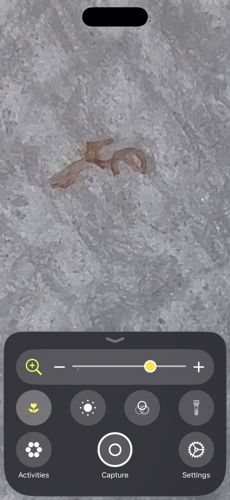
Community identification
Crane Fly Larva
Tipulidae (genus/species depends on location)
- Order & Family
- Order: Diptera, Family: Tipulidae
- Size
- 10mm to 50mm depending on species and developmental stage.
Natural Habitat
Typically found in moist soil, leaf litter, or semi-aquatic environments like pond edges and damp lawns.
Diet & Feeding
Mostly feeds on decaying organic matter, plant roots, and seedlings (larval stage), while adults often do not eat or drink nectar.
Behavior Patterns
Larvae (leatherjackets) stay buried in soil or organic debris for protection and feeding; they undergo a complete metamorphosis into the large, long-legged adult crane fly.
Risks & Benefits
Generally harmless to humans. In large numbers, larvae can damage turfgrass roots, but they are beneficial as decomposers and as a primary food source for birds and fish.