
Community identification
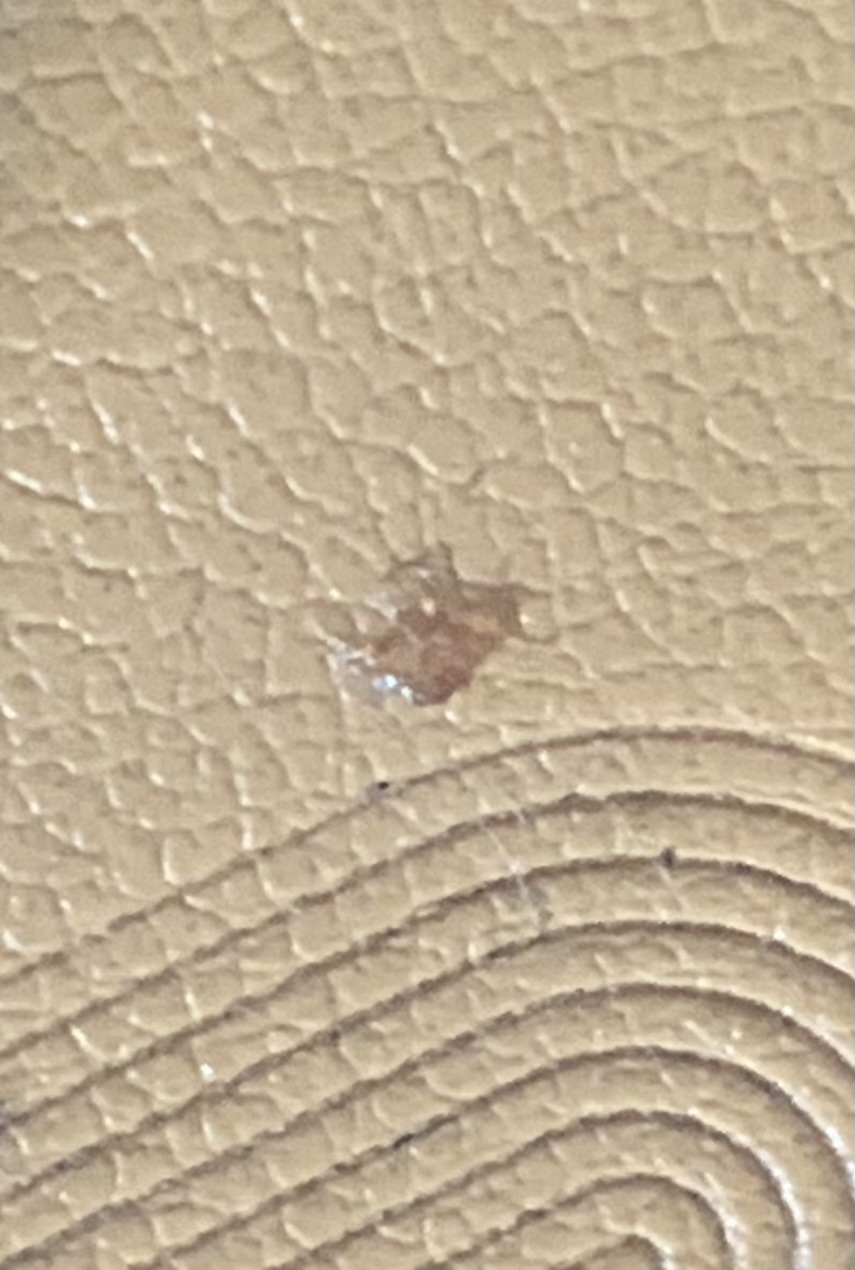
Bed bug (likely nymph)
Cimex lectularius
- Order & Family
- Hemiptera; Cimicidae
- Size
- Adults are about 4–7 mm long; nymphs range from roughly 1–4 mm. The pictured insect appears to be a small nymph, though the image is not fully diagnostic.
Natural Habitat
Primarily indoors, hiding in mattress seams, bed frames, upholstery, cracks, and other sheltered crevices near sleeping areas.
Diet & Feeding
Feeds exclusively on blood, mainly from humans but also from other warm-blooded animals. It typically feeds at night.
Behavior Patterns
Wingless, flattened insects that hide during daylight and emerge at night; females lay eggs in protected crevices. They can survive months without feeding and spread through luggage, clothing, and furniture.
Risks & Benefits
Bites can cause itchy welts, irritation, and sleep disruption, but bed bugs are not established as major disease transmitters. They provide little ecological benefit indoors and infestations require thorough treatment.