
Community identification
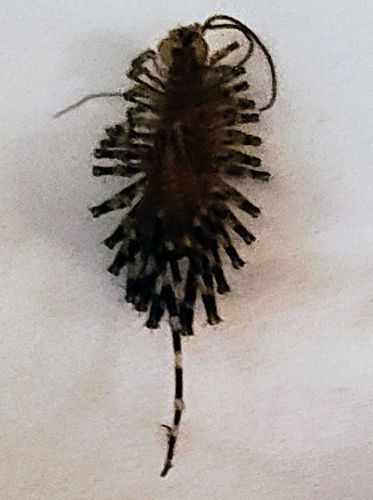
House Centipede
Scutigera coleoptrata
- Order & Family
- Order Scutigeromorpha, Family Scutigeridae
- Size
- 25–35 mm (1 to 1.5 inches) long, with up to 15 pairs of long, banded legs.
Natural Habitat
Damp, dark areas like basements, bathrooms, crawl spaces, and under mulch or stones outdoors.
Diet & Feeding
Insectivorous; it actively hunts indoor pests such as spiders, bed bugs, termites, cockroaches, silverfish, and moths.
Behavior Patterns
Nocturnal, extremely fast runners capable of speeds up to 0.4 meters per second. They use their long antennae to sense prey and modified front legs (forcipules) to inject venom.
Risks & Benefits
Highly beneficial as they provide natural pest control. They are generally harmless to humans; while they possess venom for hunting, they are shy and rarely bite unless handled, with symptoms usually milder than a bee sting.