
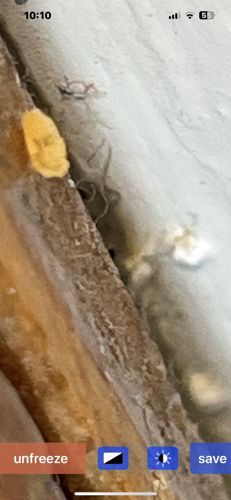
Moth fly larva (Drain fly larva)
Psychodidae (larvae)
- Order & Family
- Diptera, Psychodidae
- Size
- Typically 4-10 mm (0.16-0.39 inches) long.
Natural Habitat
Moist, decaying organic matter, sludge in drains, sewers, septic tanks, compost, wet soil, and sometimes in dirty neglected areas of bathrooms or kitchens.
Diet & Feeding
Feeds on fungi, bacteria, algae, and decaying organic matter found in their aquatic or semi-aquatic habitats.
Behavior Patterns
Larvae are aquatic or semi-aquatic and are often found wriggling in the slimy film of drains or other moist environments. They are detritivores, playing a role in breaking down organic material. They have a distinct segmented body, often greyish or brownish, and lack legs. When fully grown, they pupate in their moist environment before emerging as adult moth flies.
Risks & Benefits
Potential risks include being a nuisance pest indoors. While generally not associated with disease transmission to humans, large populations can potentially contaminate food if they land on it after being in unsanitary conditions. Benefits include their role as decomposers in breaking down organic matter in aquatic ecosystems.