
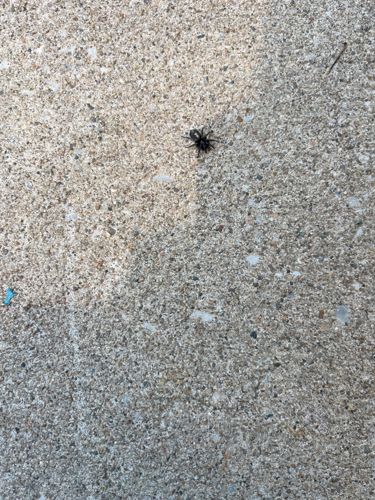
Jumping Spider
Various species within the family Salticidae (e.g., Phidippus audax)
- Order & Family
- Order Araneae, Family Salticidae
- Size
- Typically small to medium-sized, ranging from 2 mm to 25 mm in body length, though most are between 4-15 mm.
Natural Habitat
Jumping spiders are found in a wide range of habitats, including gardens, forests, grasslands, urban areas, and even indoors. They prefer sunny, open areas where they can spot prey easily. Often seen on walls, fences, and foliage.
Diet & Feeding
Primarily carnivorous, feeding on a variety of small insects and other arthropods. They are opportunistic predators.
Behavior Patterns
Jumping spiders are active hunters during the day. They have excellent vision due to their large forward-facing eyes, which they use to spot, stalk, and pounce on their prey. They do not build webs for catching prey but use silk for safety lines, draglines, and to spin small silken retreats for molting or laying eggs. Their jumps can be quite impressive, often covering many times their own body length.
Risks & Benefits
Jumping spiders are generally harmless to humans. While they possess venom, their bites are rare, typically only occurring if provoked, and are usually no more severe than a bee sting, causing mild local pain and swelling. They are beneficial for pest control as they prey on various insects, including flies, mosquitos, and other small arthropods that can be considered pests.