
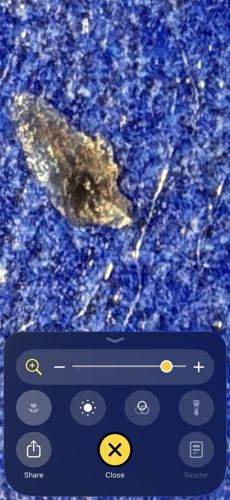
Community identification
Household Casebearer
Phereoeca uterella
- Order & Family
- Lepidoptera: Tineidae
- Size
- Case length typically 8–14 mm; larva itself is smaller.
Natural Habitat
Indoor environments, particularly on walls in humid regions, dwellings, and storage areas.
Diet & Feeding
Larvae feed on organic fibers including wool, silk, fur, hair, and biological debris such as spider webs.
Behavior Patterns
The larva constructs a protective silk case covered in sand, dust, and fibers. It can turn around inside the case and protrude its head from either end to feed or move.
Risks & Benefits
Generally considered a minor household pest as they can damage natural fiber clothing or textiles; however, they pose no health risk to humans.