
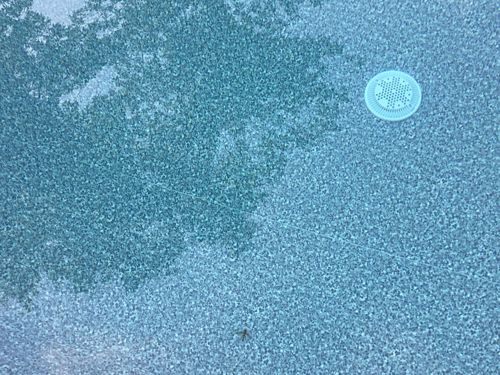
Dragonfly (likely a young or small species)
Various species within Anisoptera (e.g., Libellulidae, Aeshnidae, Gomphidae)
- Order & Family
- Order Odonata, Suborder Anisoptera (various families possible)
- Size
- Common dragonfly species can range from 20 mm to over 100 mm (0.8 to 4 inches) in wingspan. The individual in the image appears small, possibly a smaller species or a young individual.
Natural Habitat
Dragonflies are found in habitats near freshwater sources like ponds, lakes, rivers, and swamps, as their nymphs are aquatic. They require clean water for breeding.
Diet & Feeding
Adult dragonflies are voracious predators of other flying insects, including mosquitoes, flies, and smaller butterflies. Nymphs feed on aquatic insects, tadpoles, and small fish.
Behavior Patterns
Dragonflies are skilled aerial predators, known for their rapid and agile flight. They often patrol specific areas for prey and are highly territorial. Nymphs live underwater and are ambush predators.
Risks & Benefits
Dragonflies are incredibly beneficial as natural pest control, effectively reducing populations of nuisance insects like mosquitoes and flies, which can carry diseases. They pose no known risks to humans.