
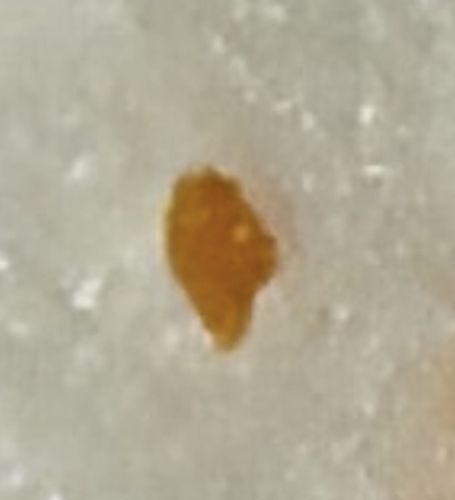
Community identification
Chigger (Harvest Mite Larva)
Trombicula spp.
- Order & Family
- Order: Trombidiformes; Family: Trombiculidae
- Size
- Microscopic; approximately 0.15 to 0.3 mm in length (barely visible to the naked eye as a tiny red speck)
Natural Habitat
They thrive in grassy, weedy, or brushy areas, especially near edges of forests or streams. They prefer areas with high humidity.
Diet & Feeding
Larvae (the parasitic stage) feed on dissolved skin cells and lymph fluid of vertebrate hosts; adults feed on small insects and insect eggs.
Behavior Patterns
Larvae wait on blade tips of vegetation to latch onto passing hosts. Once attached, they do not burrow but inject enzymes to liquefy skin cells for feeding, then drop off to molt into nymphs.
Risks & Benefits
Risks: Their bites cause intense itching and red welts (trombiculosis) in humans and animals; can transmit scrub typhus in some regions. Benefits: Adults act as predators of small arthropods and insect eggs.