
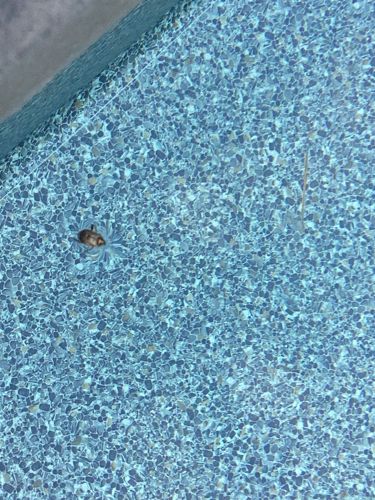
Diving Beetle
Dytiscidae (Family)
- Order & Family
- Order: Coleoptera, Family: Dytiscidae
- Size
- Typically 1/4 inch to 1.5 inches (6 mm to 40 mm), though some species can be larger.
Natural Habitat
Diving beetles are found in various freshwater habitats, including ponds, lakes, slow-moving streams, and swamps. They prefer still or slow-moving water with plenty of aquatic vegetation.
Diet & Feeding
Diving beetles are predatory. Adults and larvae feed on a variety of aquatic invertebrates such as mosquito larvae, tadpoles, small fish, and other insect larvae. Some larger species can even catch small amphibians or fish.
Behavior Patterns
Diving beetles are active predators. They are excellent swimmers, using their flattened, fringed hind legs like oars. They often come to the surface to replenish air stores under their elytra. Many species are nocturnal and attracted to lights at night.
Risks & Benefits
Generally beneficial as they prey on mosquito larvae and other pest insects. They can bite if handled, but their bite is not considered dangerous to humans, though it might be painful. They are an important part of the aquatic food web.