
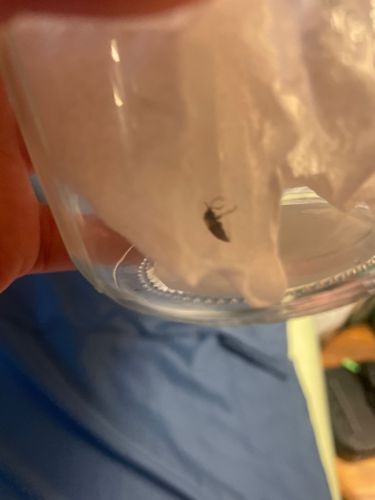
Community identification
Click Beetle
Aeolus mellillus (likely species based on profile)
- Order & Family
- Order Coleoptera, Family Elateridae
- Size
- Typically 12–30 mm (approx. 0.5 to 1.2 inches) in length.
Natural Habitat
Found worldwide in varied environments including forests, grasslands, and agricultural fields; often attracted to lights at night.
Diet & Feeding
Adults primarily feed on plants, nectar, and pollen. Larvae (wireworms) live in soil and feed on roots or decaying organic matter.
Behavior Patterns
Known for a unique 'clicking' mechanism; when upside down, they use a thoracic spine to snap and propel themselves into the air to right themselves or escape predators.
Risks & Benefits
Generally harmless to humans (no sting or bite). Larvae can be agricultural pests by damaging crop roots, while adults play a minor role in pollination and the food chain.