
Community identification
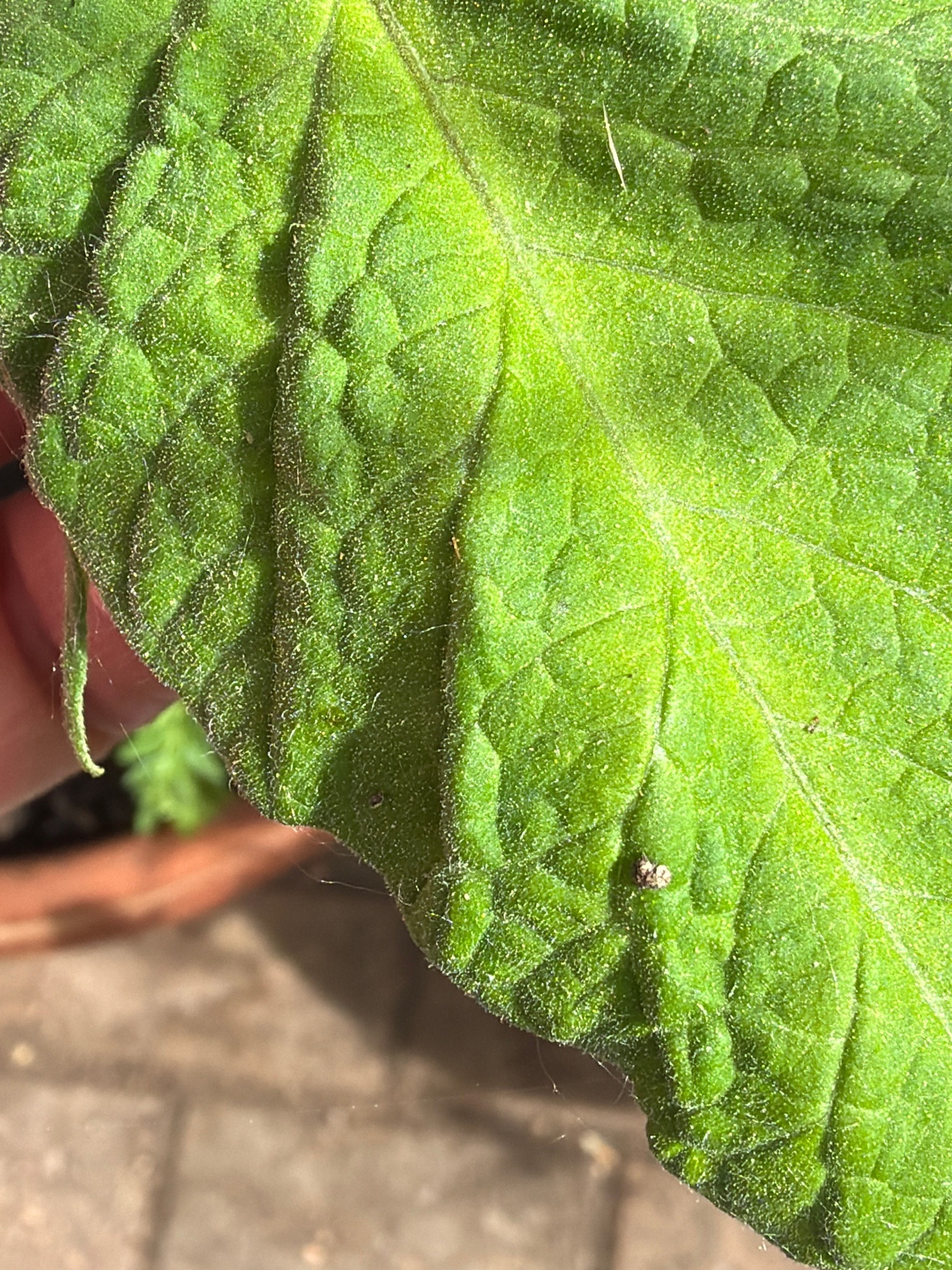
Two-spotted spider mite
Tetranychus urticae
- Order & Family
- Order: Trombidiformes; Family: Tetranychidae
- Size
- Approximately 0.3 mm to 0.5 mm in length.
Natural Habitat
Found globally on the undersides of leaves of many agricultural and ornamental plants.
Diet & Feeding
Herbivorous. They use needle-like mouthparts to pierce individual plant cells and suck out the contents, specifically the chlorophyll.
Behavior Patterns
They are known for producing fine silk webbing to protect the colony and facilitate movement. They reproduce rapidly in warm, dry conditions, transitioning from egg to adult in as little as 5 days.
Risks & Benefits
Major agricultural pest that causes leaf yellowing (stippling) and leaf drop, significantly reducing crop yields. They have no direct risk to humans but can devastate gardens and greenhouses.