
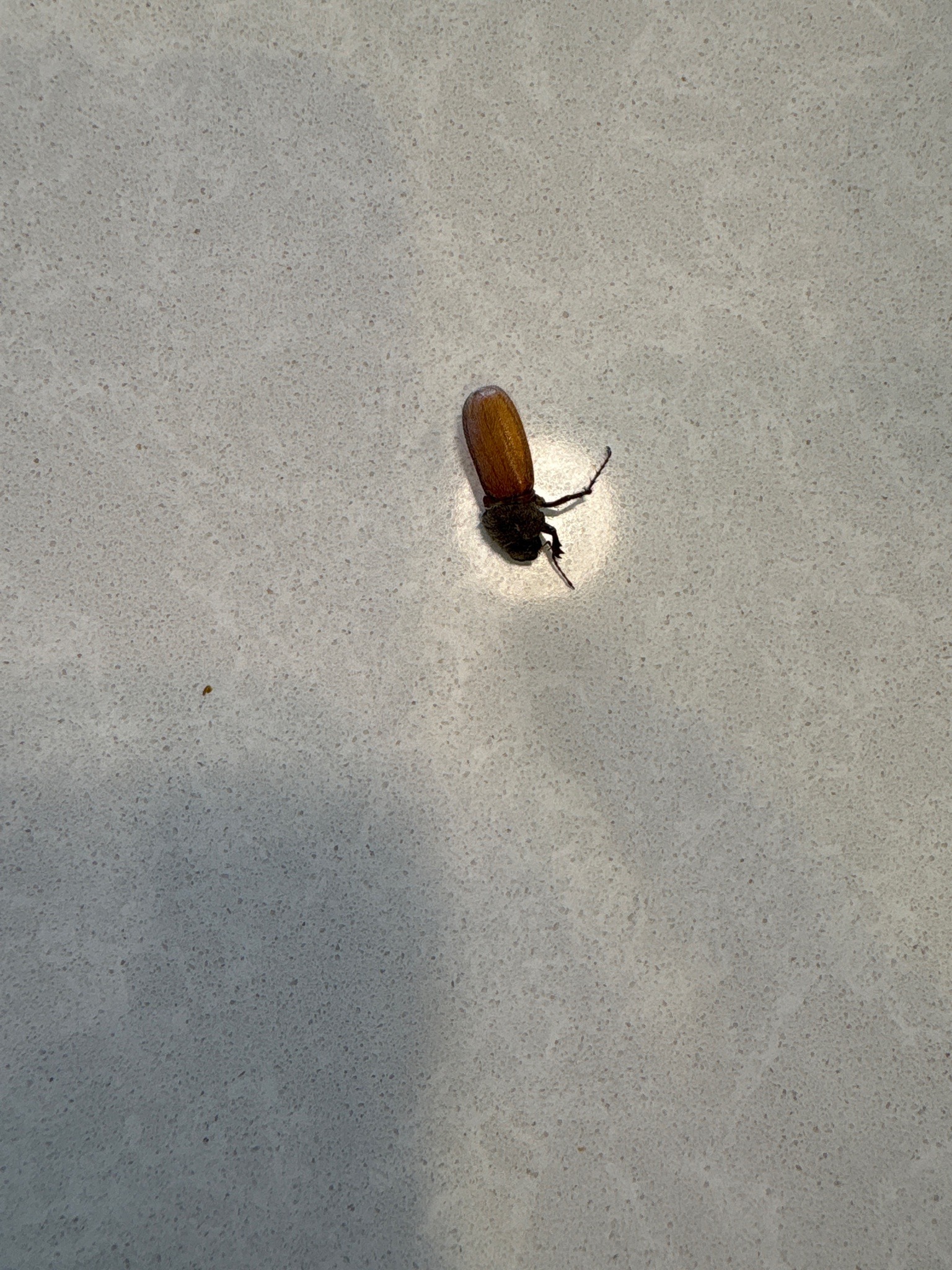
Community identification
Cockchafer
Melolontha melolontha
- Order & Family
- Coleoptera: Scarabaeidae
- Size
- 25 to 30 mm in length
Natural Habitat
Agricultural land, grasslands, gardens, and woodland edges across Europe and parts of Asia.
Diet & Feeding
Adults feed on the leaves of deciduous trees and shrubs; larvae (grubs) live underground and feed on the roots of grasses and plants.
Behavior Patterns
They have a multi-year life cycle (3-4 years) primarily spent underground as larvae. Adults emerge in spring, often seen flying at dusk around trees. They are known for the loud buzzing sound they make while flying.
Risks & Benefits
They pose no physical risk to humans but can be significant agricultural and garden pests as larvae can damage root systems and adults can defoliate trees. They serve as a food source for birds and mammals like hedgehogs.