
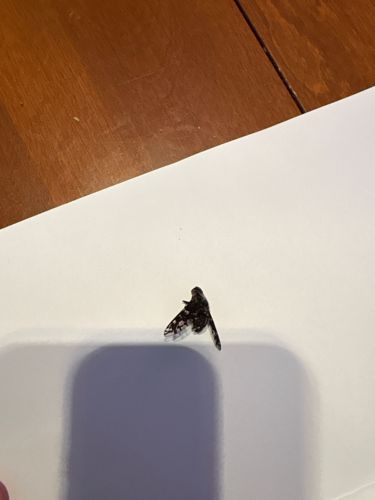
Moth Fly, Drain Fly, Filter Fly, Sewage Fly
Psychodidae (various genera and species, e.g., Clogmia albipunctata, Psychoda alternata)
- Order & Family
- Order: Diptera, Family: Psychodidae
- Size
- Typically 2-5 mm (0.08-0.2 inches) in length
Natural Habitat
Moth flies are commonly found in damp environments rich in decaying organic matter, such as drains, sewers, septic tanks, compost piles, and areas with standing water or biofilms. Indoors, they are often seen around bathroom and kitchen sinks.
Diet & Feeding
Adult moth flies feed on nectar and polluted water. Larvae feed on decaying organic matter, bacteria, algae, and fungi found in the sludge and slime layers of drains and sewers.
Behavior Patterns
Moth flies are weak fliers and are typically found clustered around breeding sites. They are most active at night. Larvae are aquatic or semi-aquatic and feed on organic matter. Adults do not bite but can be a nuisance.
Risks & Benefits
Risks: While generally harmless to humans, moth flies can be a nuisance indoors. They do not transmit diseases, but large infestations can indicate plumbing issues or excessive organic buildup. Allergies to moth fly particles have been reported in some individuals. Benefits: In natural environments, their larvae play a role in decomposition and nutrient cycling by breaking down organic waste. They are also a food source for other insects.