
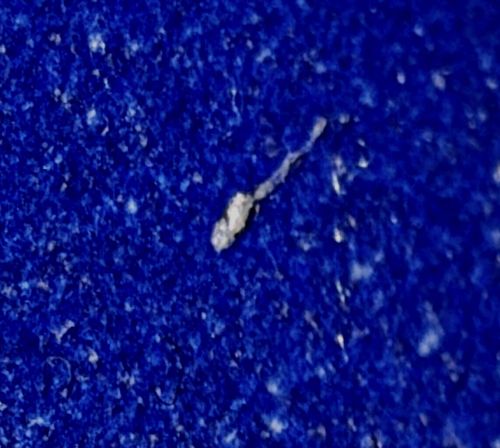
Community identification
Plaster Bagworm
Phereoeca uterella
- Order & Family
- Lepidoptera: Tineidae
- Size
- Case length is typically 8 mm to 14 mm (0.3 to 0.5 inches).
Natural Habitat
Commonly found inside residential homes, garages, and under buildings in warm, humid climates.
Diet & Feeding
Larvae feed on spider webs, wool fibers, hair, and biological debris. They are well-known for eating the webbing produced by spiders.
Behavior Patterns
The larva lives inside a spindle-shaped silk case covered in sand, dust, and lint. It can poke its head out from either end of the case to move or feed. The life cycle involves a transformation from larva to pupa inside this protected bag before emerging as a small moth.
Risks & Benefits
They are considered a minor household pest. While they do not bite humans, they can damage silk or wool fabrics. They provide a minor benefit by cleaning up old spider webs and dust debris.