
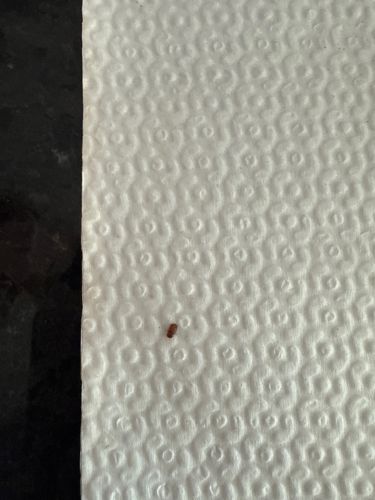
Confused Flour Beetle
Tribolium confusum
- Order & Family
- Order: Coleoptera, Family: Tenebrionidae
- Size
- Typically 3-5 mm (approximately 1/8 to 1/5 inch) in length.
Natural Habitat
Commonly found in pantries, food processing plants, warehouses, and grocery stores where dry food products are stored. They prefer warm, dark, and humid environments.
Diet & Feeding
Mainly feeds on milled grain products like flour, cereal, pasta, and pet food. They can also infest nuts, dried fruits, chocolate, spices, and various processed foods. They do not feed on whole, unbroken grains.
Behavior Patterns
Confused flour beetles are quite active and can fly, though they rarely do so. They are attracted to light but will move away from it when disturbed. They are typically found in dark, undisturbed areas within food storage spaces. Their life cycle from egg to adult can take about 20 days under optimal conditions (around 30-33°C and high humidity). Both larvae and adults cause damage to infested products. Females lay up to 2-3 eggs per day directly into food.
Risks & Benefits
Potential Risks: Significant pest of stored food products, causing economic losses due to contamination and spoilage. They do not bite or sting humans, spread diseases, or cause direct harm to structures. Infested food can become discolored, moldy, and acquire a pungent odor due to secretions from the beetles. Potential Benefits: Generally none to humans or the ecosystem, as they are primarily considered pests.