
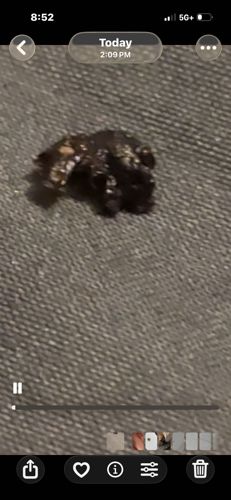
Jumping spider
Salticidae
- Order & Family
- Araneae, Salticidae
- Size
- Typically 1-25 mm (0.04-1 inch), with most being under 15 mm. Males are generally smaller than females.
Natural Habitat
Widely diverse; often found outdoors on plants, fences, walls, and indoors in homes. They prefer sunny areas and are active hunters.
Diet & Feeding
Carnivorous. They are active predators that hunt and eat a variety of other small insects and spiders. They do not use webs to catch prey but instead stalk then pounce on their victims.
Behavior Patterns
Excellent vision and agility; known for their characteristic jumping ability, which they use to hunt prey and move between locations. They are diurnal, active during the day. Many species perform elaborate courtship dances.
Risks & Benefits
Generally harmless to humans; their bite is rare and usually not serious, comparable to a bee sting. They are beneficial as natural pest control, preying on various insects and helping to keep populations in check.