
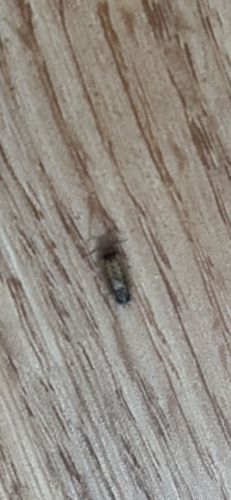
Community identification
Non-biting midge
Chironomus plumosus (representative species)
- Order & Family
- Order: Diptera, Family: Chironomidae
- Size
- 1 mm to 10 mm (0.04 to 0.4 inches)
Natural Habitat
Near bodies of water such as lakes, rivers, and ponds where larvae develop in mud and sediment.
Diet & Feeding
Larvae (bloodworms) feed on organic debris and algae; adults typically do not feed or may consume nectar/honey dew.
Behavior Patterns
Often seen in large, synchronized mating swarms at dusk. They have a short adult lifespan of only a few days focused solely on reproduction.
Risks & Benefits
They do not bite or sting and are harmless to humans. They are beneficial to ecosystems as a primary food source for fish, birds, and bats.