
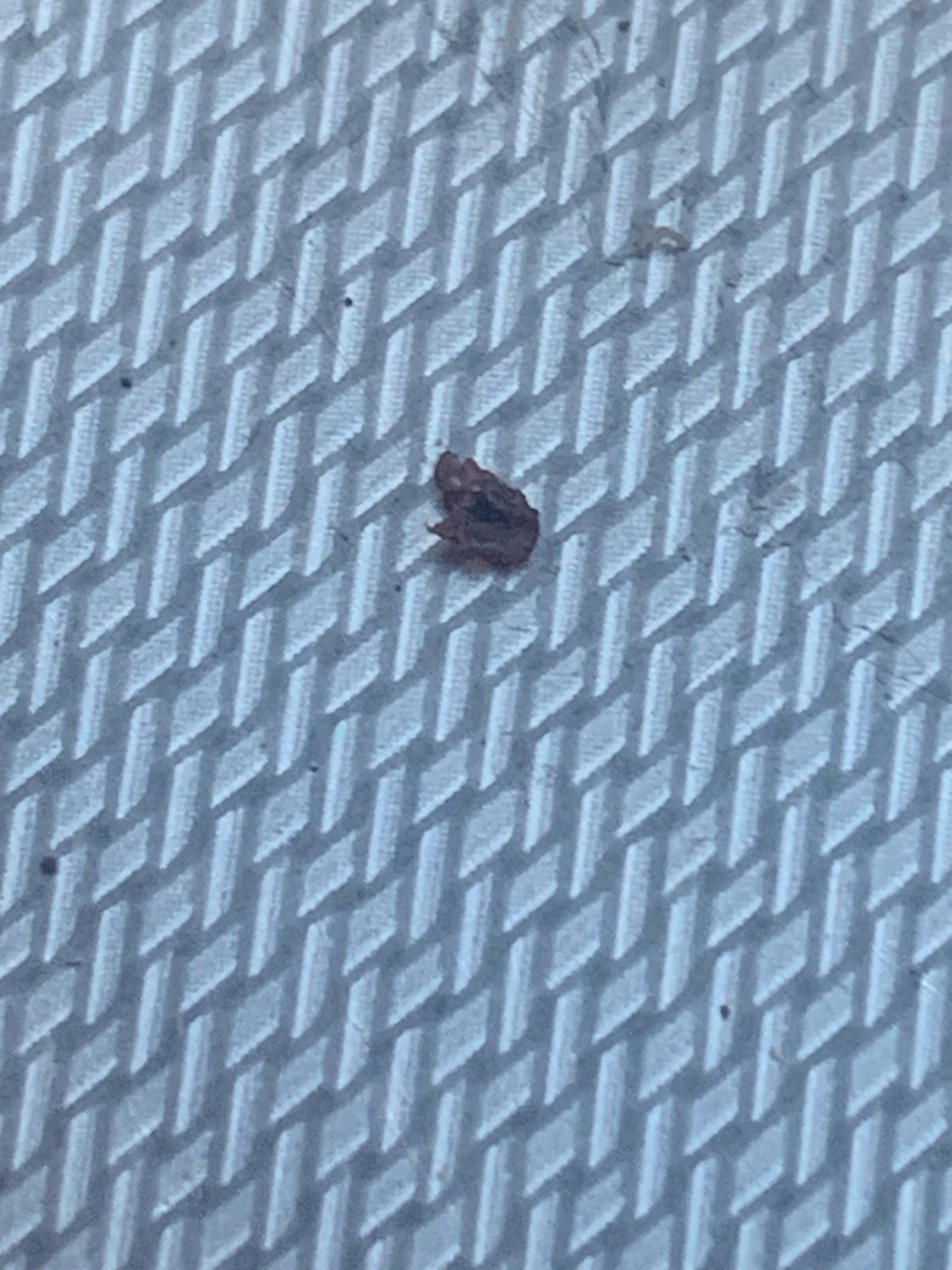
Community identification
Flea (likely cat flea)
Ctenocephalides felis
- Order & Family
- Siphonaptera; Pulicidae
- Size
- Adults are typically 1.5–3.3 mm long.
Natural Habitat
Pet bedding, carpets, upholstery, and outdoor areas frequented by mammals. Adults remain on hosts while immature stages develop in the environment.
Diet & Feeding
Adults consume blood from mammals, especially cats, dogs, and humans. Larvae feed mainly on dried blood and organic debris in their surroundings.
Behavior Patterns
Wingless, laterally flattened, and powerful jumpers; they rapidly move through fur or fabric. Eggs, larvae, and pupae can persist in the environment, enabling reinfestation.
Risks & Benefits
Bites cause itchy papules and allergic dermatitis; fleas can transmit pathogens and serve as intermediate hosts for some tapeworms. They have little direct ecosystem benefit beyond serving as prey.