
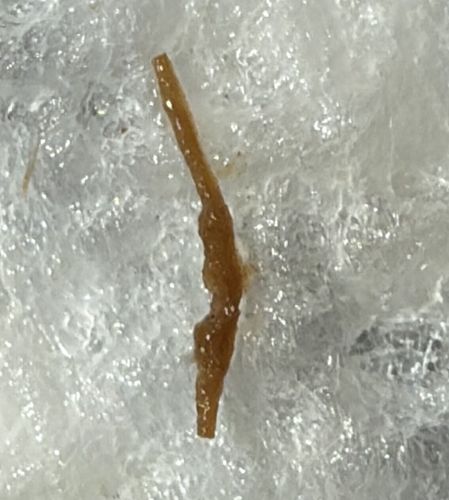
Community identification
Mealworm
Tenebrio molitor
- Order & Family
- Order: Coleoptera; Family: Tenebrionidae
- Size
- Larvae grow to approximately 2.5 cm (1 inch) in length.
Natural Habitat
Typically found in damp, dark environments with access to decomposing organic matter such as grain, flour, or animal feed.
Diet & Feeding
Omnivorous; feeds primarily on grains, decaying vegetation, and occasionally animal protein.
Behavior Patterns
Larvae are active burrowers and spend most of their time feeding until they pupate into darkling beetles. They undergo complete metamorphosis.
Risks & Benefits
Benefits: Widely used as a high-protein food source for pets and reptiles, and emerging as a sustainable human food source. Risks: Can be a minor pest of stored grain products and may cause allergic reactions in humans sensitive to chitin.