
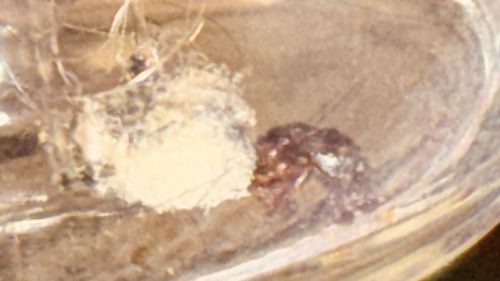
Brown widow spider
Latrodectus geometricus
- Order & Family
- Araneae, Theridiidae
- Size
- Females typically have a body length of about 7-10 mm, with legs extending further. Males are much smaller, around 2-4 mm.
Natural Habitat
Often found in human-altered environments such as around homes, sheds, garages, and other undisturbed areas. They prefer dark, secluded spaces.
Diet & Feeding
Strictly carnivorous, preying on a variety of insects and other small arthropods that get caught in their irregular, tangled web.
Behavior Patterns
They are nocturnal and generally reclusive. Brown widows construct messy, irregular 웹s, typically in protected locations. The egg sac is distinctively spiky, resembling a sea mine, and is a key identifier. They are not aggressive and will usually flee rather than bite.
Risks & Benefits
Potential Risk: Their venom is neurotoxic, similar to the black widow, but generally less potent. Bites can cause localized pain, muscle cramps, headache, and nausea, but are rarely life-threatening to healthy adults. Potential Benefit: They help control populations of common household and garden insect pests.