
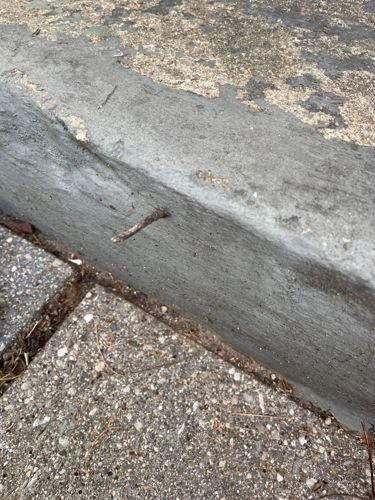
Crane Fly Larva
Tipulidae (larva)
- Order & Family
- Order Diptera, Family Tipulidae
- Size
- Larvae can range significantly in size, typically from a few millimeters to several centimeters (e.g., 2-10 cm or more for larger species). The one in the image appears to be a few centimeters long.
Natural Habitat
The larvae are aquatic or semi-aquatic, found in moist soil, decaying wood, moss, leaf litter, and various freshwater environments like ponds, streams, and damp soil. The adult crane flies are found in diverse habitats, often near their larval breeding sites.
Diet & Feeding
Larvae primarily feed on decaying organic matter, algae, fungi, and sometimes plant roots (in some species). Adult crane flies generally do not feed or feed on nectar.
Behavior Patterns
Larvae develop in water, feeding on algae and detritus. Adult crane flies are short-lived and primarily focused on reproduction. They are often seen resting on vegetation or flying slowly, especially at dusk. The pictured insect, resembling a cranefly larva, might be moving slowly or trying to find a more sheltered, damp environment.
Risks & Benefits
Crane fly larvae are generally harmless to humans. While some species (especially "leatherjackets") can be considered turf or garden pests due to feeding on roots, many species play an important role in decomposition and nutrient cycling in their ecosystems. They can also serve as a food source for other animals.