
Community identification
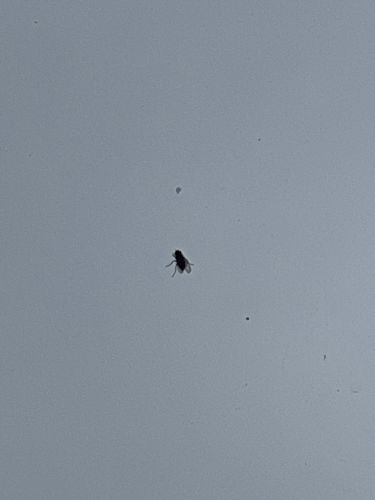
House Fly
Musca domestica
- Order & Family
- Order: Diptera; Family: Muscidae
- Size
- 6–7 mm (0.24–0.28 in) in length
Natural Habitat
Found worldwide, primarily in association with human habitations, agricultural areas, and decaying organic matter.
Diet & Feeding
Liquid or semi-liquid substances including decomposing biological material, feces, sweat, and human food. They use sponging mouthparts to liquify solids with saliva.
Behavior Patterns
Diurnal pests that are active during the day. They have a high reproductive rate, laying hundreds of eggs in warm, moist organic material. They are known for their fast flight and ability to land on almost any surface.
Risks & Benefits
Significant health risks as they are vectors for over 100 pathogens, including typhoid, cholera, and salmonellosis. Benefit the ecosystem as decomposers and a food source for other animals.