
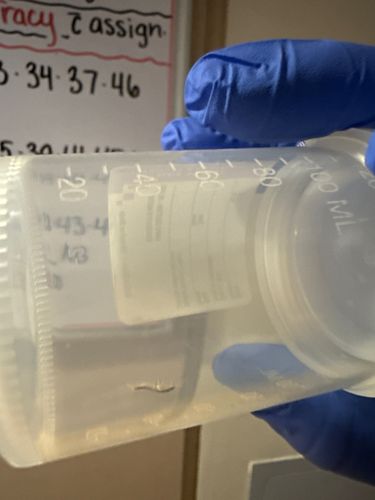
Non-biting midge (larva)
Chironomidae (Family)
- Order & Family
- Diptera (Order), Chironomidae (Family)
- Size
- Larvae can range from a few millimeters to about 30 mm in length, depending on the species. Adult midges are typically small, ranging from 1 to 10 mm.
Natural Habitat
The larvae, commonly known as bloodworms (due to their reddish color in some species, though this one appears pale), are found in diverse aquatic environments including fresh and brackish water, lakes, ponds, streams, and even polluted water treatment systems. They often live in the benthic zone (bottom sediment). Adults are found near these aquatic habitats.
Diet & Feeding
The larvae are detritivores, feeding on organic debris, algae, and microorganisms in the aquatic environment. Adult midges generally do not feed, or they may consume nectar.
Behavior Patterns
Larvae develop in stagnant or slow-moving water, often feeding on organic matter. They are known for a characteristic wiggling motion when disturbed, which helps them move through water or escape predators. Pupae are often comma-shaped and float at the water's surface, breathing through respiratory trumpets. Adult midges emerge from the pupal case, usually at night, and are weak fliers.
Risks & Benefits
Generally considered harmless to humans as adults do not bite. In large numbers, larval masses can indicate poor water quality or contribute to filter clogging in water systems. They are a significant food source for fish and other aquatic organisms, and thus play a crucial role in aquatic food webs. Some species can cause allergic reactions in humans due to inhaled particles from their bodies or secretions, particularly in areas with large midge populations. They are also used as bioindicators of water quality.