
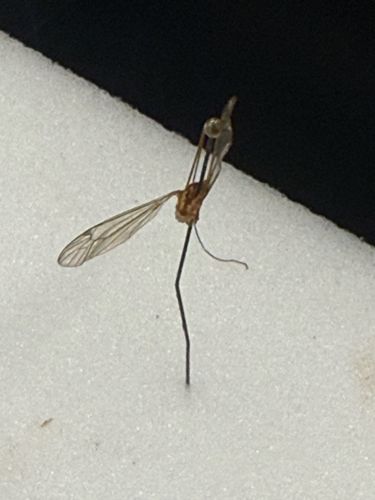
Crane Fly
Tipulidae
- Order & Family
- Diptera, Tipulidae
- Size
- Typically 2 to 60 mm (approximately 0.08 to 2.4 inches) in body length, with leg spans often much larger.
Natural Habitat
Damp environments such as near freshwater sources (lakes, ponds, streams), forests, meadows, and sometimes residential areas (gardens, lawns). Larvae are aquatic or semi-aquatic depending on the species.
Diet & Feeding
Adult crane flies generally feed on nectar, decaying plant matter, or may not feed at all during their short adult life. Larvae (known as 'leatherjackets') are more varied, feeding on decaying organic matter, roots, fungi, or sometimes preying on small invertebrates.
Behavior Patterns
Adults are often seen flying clumsily, especially towards lights at night. They have a short adult lifespan primarily focused on reproduction. Larvae live in soil, rotting wood, or aquatic environments, undergoing several instars before pupating. Some species gather in swarms.
Risks & Benefits
Crane flies pose virtually no risk to humans; they do not bite or sting. They are often mistaken for large mosquitoes but are harmless. As larvae, some species can damage turf or crops (e.g., pasture pest), but typically their impact is minimal. As adults and larvae, they serve as a food source for birds, bats, and other insects, contributing to the food chain. Larvae can also help with decomposition in their habitats.