
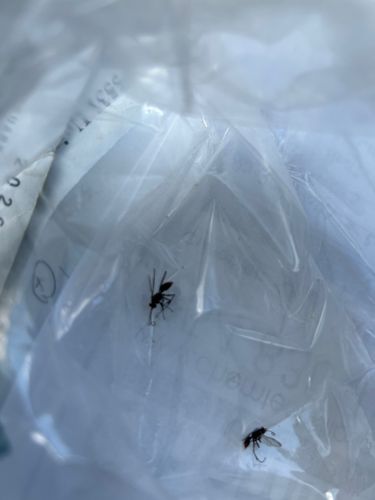
Mosquito
Various genera within Culicidae (e.g., Anopheles, Aedes, Culex)
- Order & Family
- Order: Diptera (True Flies), Family: Culicidae
- Size
- Typically 3 mm to 10 mm (0.1 to 0.4 inches) in length.
Natural Habitat
Mosquitoes require standing water for their larval and pupal stages. They can be found in a wide variety of habitats, including wetlands, forests, urban areas, and even small containers of water around homes.
Diet & Feeding
Female mosquitoes feed on blood from various hosts, including humans, other mammals, and birds. Both male and female mosquitoes also feed on nectar and plant juices for sugar, which provides energy.
Behavior Patterns
Mosquitoes are crepuscular or nocturnal, meaning they are most active during twilight hours or at night. Only female mosquitoes bite, as they need blood meals for egg development. Males typically feed on nectar. Mosquitoes undergo complete metamorphosis (egg, larva, pupa, adult). Larvae and pupae are aquatic.
Risks & Benefits
Risks: Mosquitoes are significant vectors of numerous diseases, including Malaria, Dengue Fever, Zika Virus, West Nile Virus, Chikungunya, and various forms of Encephalitis, posing a major global public health threat. Benefits: They serve as a food source for various animals like birds, bats, fish, and other insects. While not primary pollinators, adults can contribute to pollination by feeding on nectar.