
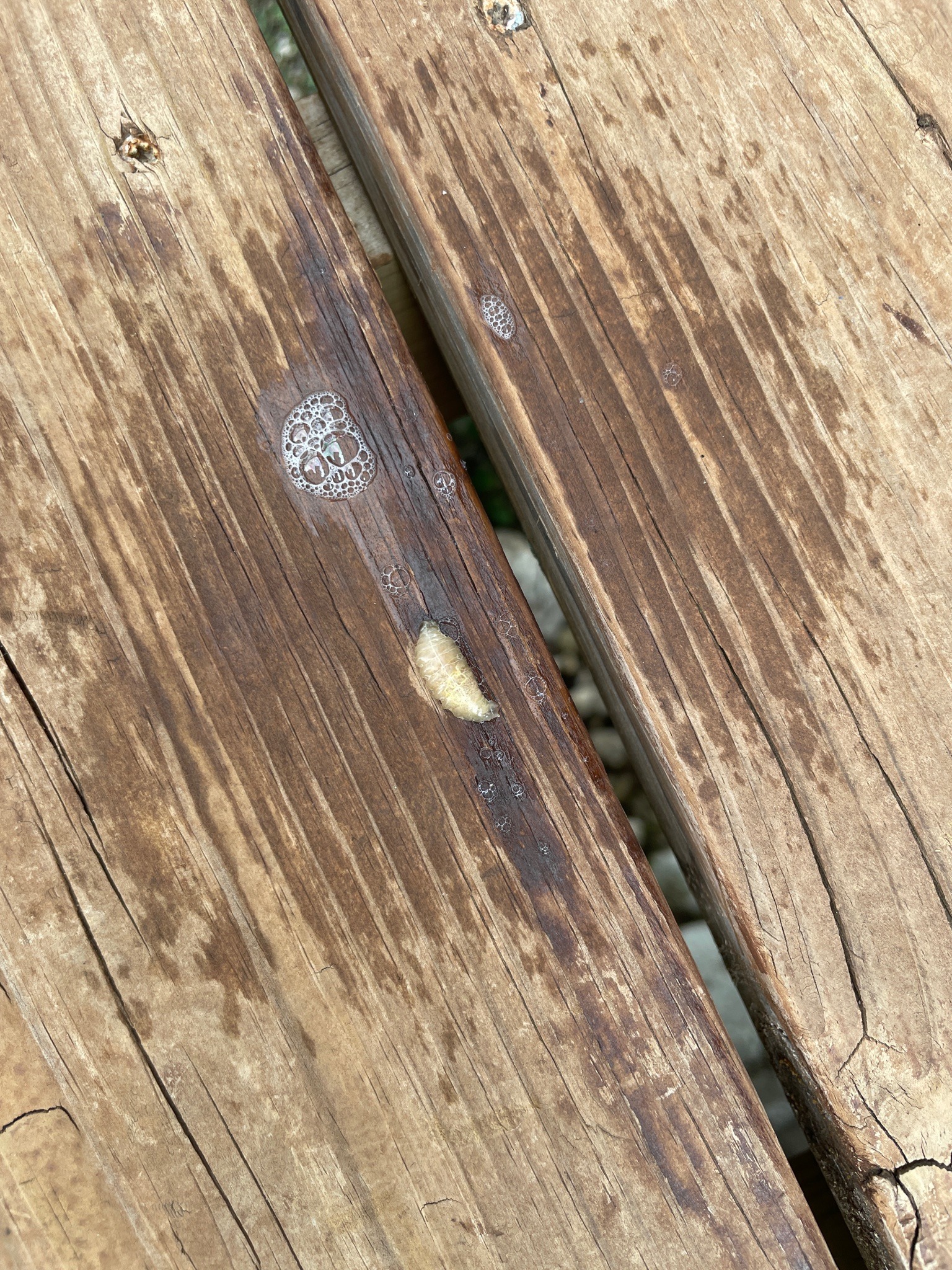
Community identification
Spittlebug (Nymph stage)
Philaenus spumarius
- Order & Family
- Order: Hemiptera, Family: Aphrophoridae
- Size
- 6 to 10 millimeters (approx. 1/4 to 3/8 inch)
Natural Habitat
Found globally on a wide variety of plants, including grasses, shrubs, and garden crops. They are often noticed in meadows, gardens, and woodlands.
Diet & Feeding
Nymphs and adults are sap-suckers, feeding on the xylem of host plants.
Behavior Patterns
Nymphs produce a frothy, soap-bubble-like substance called spittle for protection against predators and desiccation. They undergo incomplete metamorphosis, eventually emerging from the foam to become winged adults known as froghoppers.
Risks & Benefits
Generally harmless to humans. While they can be minor garden pests by distorting plant growth or transmitting plant diseases (like Xylella fastidiosa), they are a vital food source for birds and spiders, contributing to ecosystem biodiversity.