
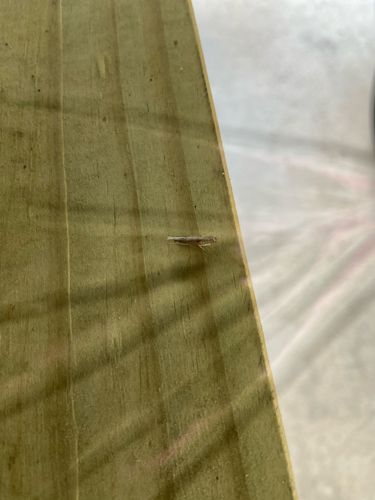
Plume Moth
Pterophoridae (family)
- Order & Family
- Order: Lepidoptera, Family: Pterophoridae
- Size
- Typically small to medium-sized moths, with wingspans ranging from 10 mm to 40 mm (0.4 to 1.6 inches).
Natural Habitat
Plume moths are found in a wide variety of habitats including gardens, meadows, forests, agricultural fields, and urban areas, essentially anywhere their host plants are present.
Diet & Feeding
Adult plume moths typically do not feed or feed on nectar. Their larvae are herbivorous, feeding on a variety of plants depending on the species. Many are specialists, feeding on specific plant families.
Behavior Patterns
Plume moths typically rest with their wings rolled up tightly at right angles to the body, resembling a T-shape or a dried stick, which camouflages them effectively. They are generally nocturnal and are attracted to light. Larvae of many species are internal feeders, boring into stems, roots, or flower buds of their host plants.
Risks & Benefits
Plume moths are generally harmless to humans. While some larval species can be minor agricultural pests by feeding on crops, their impact is usually limited. They play a role in the ecosystem as herbivores and as a food source for insectivorous animals. Some species may contribute to pollination, though they are not primary pollinators.