
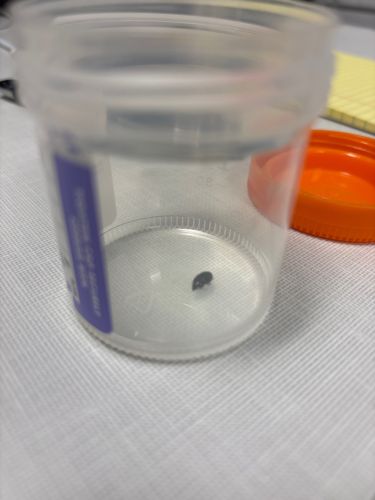
Carpet Beetle
Dermestes lardarius (Larder Beetle) or more generally Anthrenus or Trogoderma species (Carpet Beetles)
- Order & Family
- Order: Coleoptera, Family: Dermestidae
- Size
- Typically 2-5 mm in length
Natural Habitat
Indoors, larvae are found in dark, undisturbed areas such as under carpets, in closets, in attics, within wall voids, and behind baseboards. They can infest museum collections, taxidermy, and stored food products. Outdoors, adults are common on flowering plants.
Diet & Feeding
Larvae feed on a wide variety of animal products including wool, fur, feathers, leather, dead insects, pet food, and even dried plant material like spices and cereals. Adults feed on pollen and nectar from outdoor plants.
Behavior Patterns
Carpet beetles are known for their ability to digest keratin, a protein found in animal products. Adults are typically found outdoors, feeding on pollen and nectar, and fly to lights. Larvae are the destructive stage, shunning light and preferring to live in dark, undisturbed areas where they feed silently. They can roll into a ball when disturbed. The lifecycle from egg to adult can take anywhere from a few months to a year, depending on environmental conditions and food availability.
Risks & Benefits
Risks: Carpet beetles are significant pests of stored products and natural fibers. They can cause considerable damage to clothing, carpets, furniture, and museum specimens made of wool, silk, fur, or feathers. Some people may develop allergic reactions to larval hairs or shed skins, leading to skin irritation or respiratory issues. Benefits: In natural environments, dermestid beetles play a role as scavengers, breaking down organic matter.