
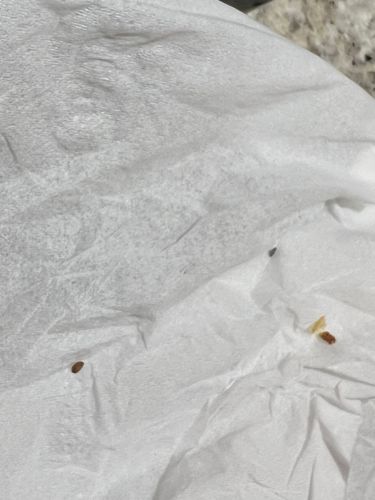
Bed Bug
Cimex lectularius
- Order & Family
- Hemiptera, Cimicidae
- Size
- Adults are typically 4-5 mm (about 3/16 inch) long, about the size of an apple seed. Nymphs are smaller and translucent.
Natural Habitat
Primarily human dwellings, especially bedrooms. They hide in mattresses, bed frames, headboards, furniture, cracks in walls, and other dark, secluded places close to where a host sleeps.
Diet & Feeding
Strictly blood; they feed on the blood of humans and other warm-blooded animals.
Behavior Patterns
Bed bugs are nocturnal, feeding primarily at night when hosts are asleep. They hide in cracks and crevices during the day. They are excellent hiders, making infestations difficult to detect early on. Adult females can lay hundreds of eggs in their lifetime.
Risks & Benefits
Risks: Bed bugs do not transmit diseases, but their bites can cause itchy welts, skin irritation, and secondary infections from scratching. Heavy infestations can lead to anxiety, stress, and sleep deprivation. Benefits: None to humans; they are considered pests.