
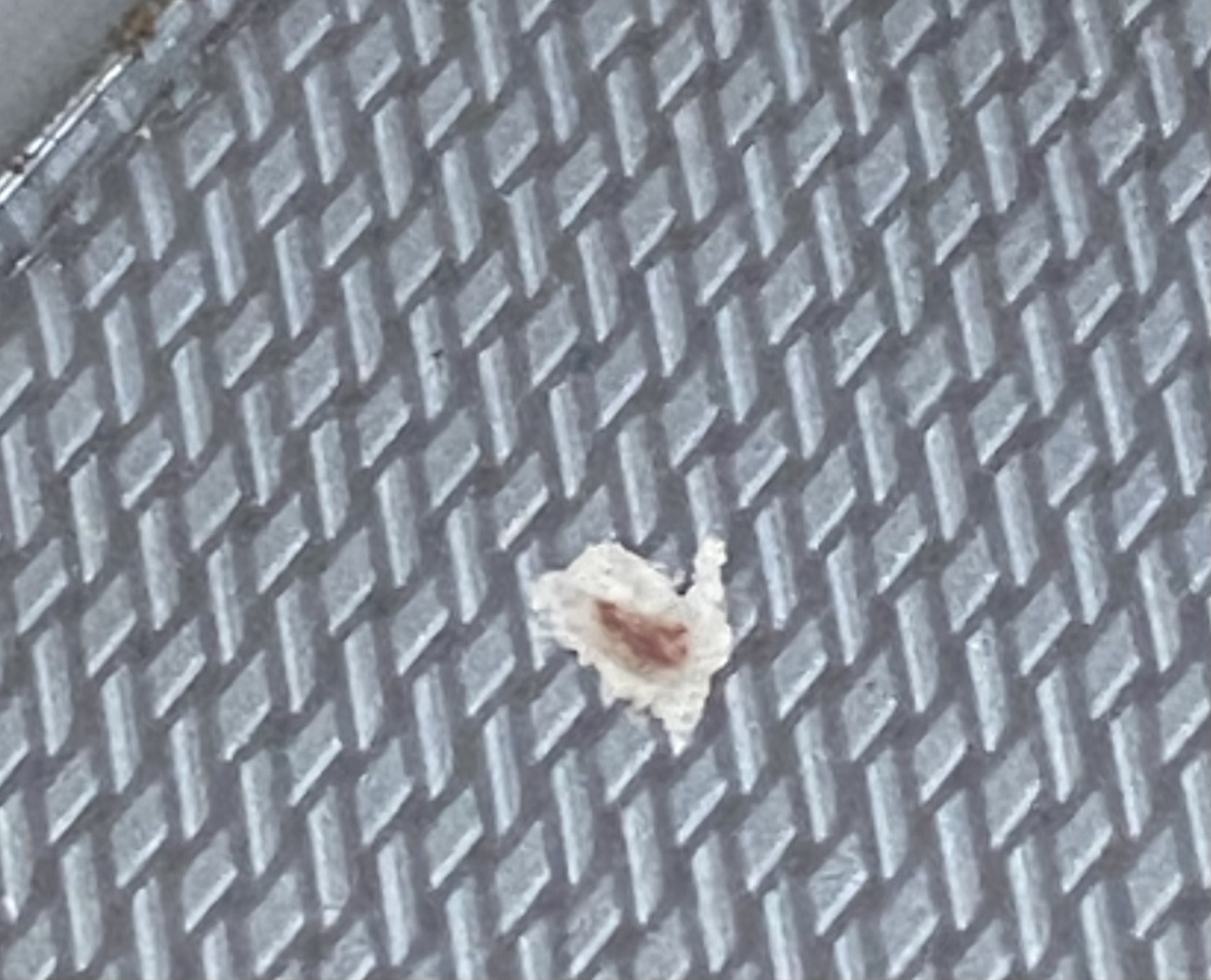
Community identification
Lace Bug
Stephanitis spp.
- Order & Family
- Order: Hemiptera, Family: Tingidae
- Size
- 2 to 4 mm in length
Natural Habitat
Found on the undersides of leaves of various ornamental plants and trees, such as azaleas, rhododendrons, and oaks.
Diet & Feeding
Plant sap; they use piercing-sucking mouthparts to feed on the foliage of host plants.
Behavior Patterns
Lace bugs typically congregate in large numbers on the undersides of leaves where they feed and lay eggs. Their feeding leads to stippling or bleaching on the upper leaf surface and sticky dark spots of excrement on the underside.
Risks & Benefits
Primarily a plant pest that can cause aesthetic damage and weaken host plants; they do not pose a direct health risk to humans, although some species may occasionally bite if they land on skin.