
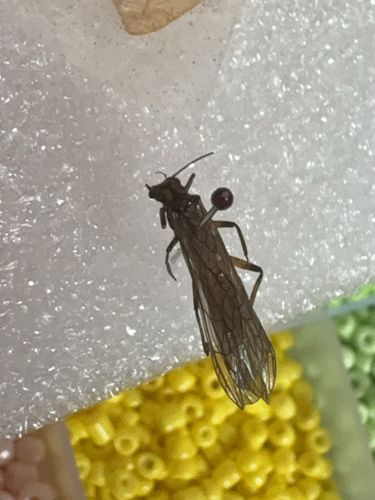
Stonefly
Plecoptera (Order level)
- Order & Family
- Order: Plecoptera, Family: Various (e.g., Perlodidae, Perlidae, Nemouridae, Taeniopterygidae)
- Size
- Variable, typically ranging from 5 mm to 60 mm (0.2 to 2.4 inches) in body length, depending on the species.
Natural Habitat
Stoneflies are indicators of good water quality. Nymphs primarily inhabit clean, cool, oxygen-rich freshwater environments such as streams, rivers, and sometimes lakes. They are often found under rocks, logs, or in gravel beds. Adult stoneflies are typically found near the aquatic habitats where they emerged, often on riparian vegetation.
Diet & Feeding
Nymphs: Most stonefly nymphs are detritivores, feeding on decaying organic matter and algae (shredders or grazers). Some species are predatory, feeding on other aquatic invertebrates. Adults: Many adult stoneflies do not feed at all, or they may consume small amounts of algae, lichens, or decaying plant material. Their primary function is reproduction.
Behavior Patterns
Stoneflies undergo incomplete metamorphosis, meaning they have three life stages: egg, nymph, and adult. Nymphs are aquatic and found in clean, oxygenated water. They are typically nocturnal and hide under rocks during the day. Adults are short-lived, often only a few days to a few weeks, primarily focused on reproduction. They are generally poor fliers and tend to stay near their emergence sites.
Risks & Benefits
Benefits: Stoneflies are excellent bioindicators of water quality; their presence often signifies a healthy aquatic ecosystem. They are an important food source for fish (especially trout) and other aquatic predators, making them crucial in aquatic food webs. Anglers often use stonefly imitations as popular fishing lures. Risks: There are no known risks to humans from stoneflies.