
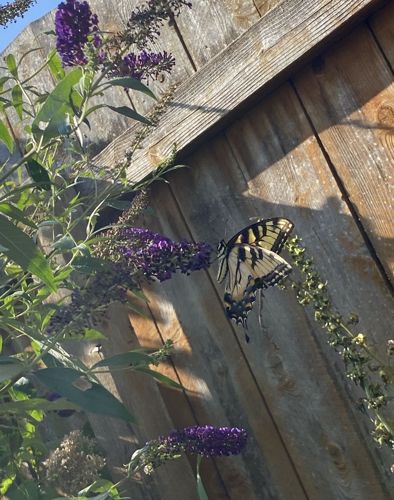
Eastern Tiger Swallowtail
Papilio glaucus
- Order & Family
- Lepidoptera, Papilionidae
- Size
- Wingspan of 3 to 5.5 inches (7.6 to 14 cm)
Natural Habitat
Deciduous forests, river valleys, parks, suburban gardens, and orchards across the Eastern United States and Canada.
Diet & Feeding
Adults feed on the nectar of many flowers, particularly Butterfly Bush (Buddleia), Joe-pye weed, milkweed, and thistles. Caterpillars eat leaves of host trees like wild cherry, tulip tree, birch, and sweetbay.
Behavior Patterns
Active during the day, they are solitary fliers often seen high in tree canopies or visiting garden flowers. Males engage in 'puddling' (drinking from mud for minerals). They undergo complete metamorphosis with several broods per year depending on the latitude.
Risks & Benefits
Benefits include pollination of a wide variety of native plants and garden flowers. They pose no risk to humans or pets; they do not sting or bite and are generally not considered significant agricultural pests.