
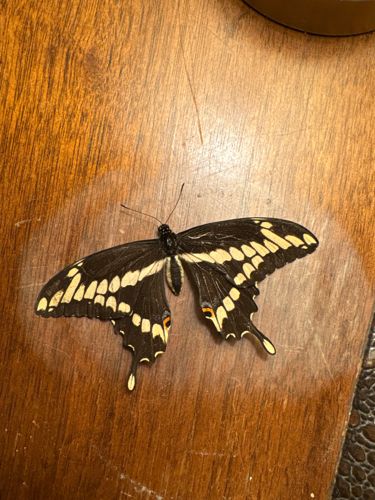
Eastern Tiger Swallowtail
Papilio glaucus
- Order & Family
- Order: Lepidoptera, Family: Papilionidae
- Size
- Wingspan typically ranges from 7.9 to 14 cm (3.1 to 5.5 inches), making them one of the larger butterfly species in North America.
Natural Habitat
Eastern Tiger Swallowtails are found in a variety of habitats across eastern North America, including deciduous woodlands, forests, forest edges, suburban gardens, parks, and along roadsides. They prefer areas with open spaces for flight and access to nectar sources, as well as host plants for their caterpillars.
Diet & Feeding
Adult Eastern Tiger Swallowtails primarily feed on nectar from a wide variety of flowers, especially those with red, pink, purple, and orange colors. Caterpillars feed on the leaves of their host plants, which include trees such as wild cherry, sweetbay magnolia, tulip tree, ash, and sometimes birch.
Behavior Patterns
Adult Eastern Tiger Swallowtails are active during the day (diurnal) and are strong, graceful fliers. Males often engage in 'puddling' behavior, congregating at mud puddles, damp soil, or dung to extract salts and minerals. Females lay single eggs on host plants. The caterpillars undergo several instars, changing appearance with each molt, eventually pupating into a chrysalis. They overwinter as chrysalises.
Risks & Benefits
Risks: Generally, there are no direct risks to humans from Eastern Tiger Swallowtails. Caterpillars can sometimes cause minor defoliation on host trees, but rarely to a significant extent. Benefits: Eastern Tiger Swallowtails are important pollinators, aiding in the reproduction of many flowering plants as they feed on nectar. They are also a significant part of the food chain, serving as food for birds and other insectivores, contributing to ecosystem balance. Their presence is often considered an indicator of a healthy environment.