
Community identification
Eastern Cicada Killer
Sphecius speciosus
- Order & Family
- Hymenoptera: Crabronidae
- Size
- 1.5 to 2 inches (3.8 to 5.0 cm)
Natural Habitat
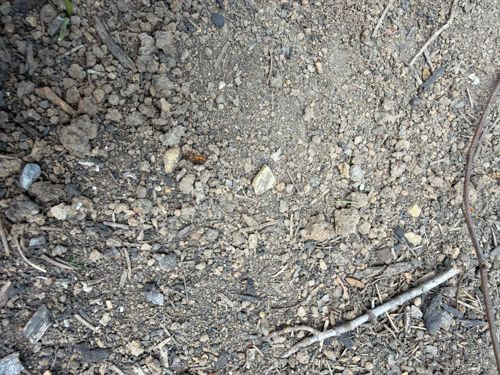
Open areas with well-drained, sandy or loose soil, such as lawns, golf courses, garden beds, and embankments.
Diet & Feeding
Adults feed on plant nectar and sap. Larvae feed on cicadas provided by the mother.
Behavior Patterns
Solitary wasps; females dig deep burrows and hunt cicadas, paralyzing them and dragging them back to the nest to feed their larvae. Males are territorial and patrol nesting areas but lack stingers.
Risks & Benefits
Benefits include natural pest control of cicadas and soil aeration. Risks are minimal to humans; they are non-aggressive and rarely sting unless handled roughly or stepped on.