
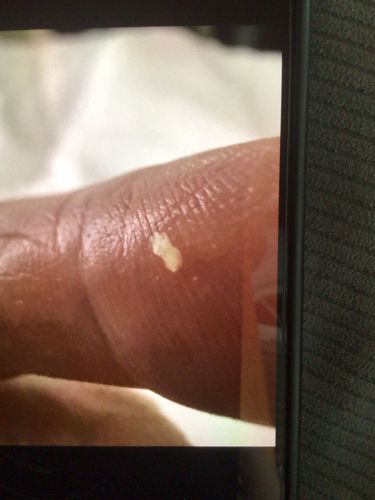
Community identification
Body louse nitro
Pediculus humanus humanus
- Order & Family
- Order: Psocodea (formerly Phthiraptera), Family: Pediculidae
- Size
- 0.5 mm to 1 mm (nits/eggs); 2.5 mm to 3.5 mm (adults)
Natural Habitat
Found exclusively on humans, specifically in the seams of clothing and bedding of individuals who do not change or wash clothes frequently.
Diet & Feeding
Obligate hematophagous (feeds exclusively on human blood several times a day).
Behavior Patterns
Unlike head lice, body lice live and lay eggs (nits) in the seams of clothing. They only move onto the skin to feed. They are spread through direct person-to-person contact or contact with infested clothing or linens.
Risks & Benefits
Risks include intense itching and secondary skin infections. They are unique among lice as vectors for serious diseases such as epidemic typhus, trench fever, and louse-borne relapsing fever. They provide no ecosystem benefits to humans.