
Community identification
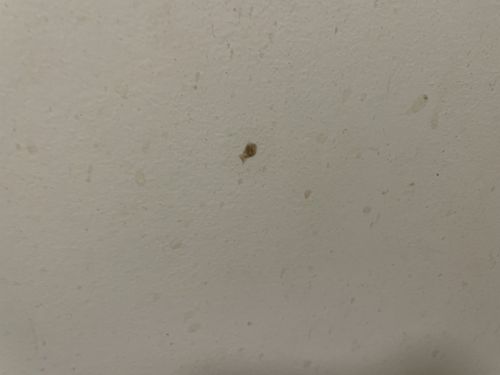
Household Casebearer (Plaster Bagworm)
Phereoeca uterella
- Order & Family
- Order: Lepidoptera, Family: Tineidae
- Size
- Case is approximately 8–13 mm long and 3–5 mm wide.
Natural Habitat
Typically found inside buildings, specifically on walls and floors under furniture, where humidity is high and dust accumulates.
Diet & Feeding
The larvae feed on spider webs, lint, wool, and natural silk. They are known scavengers of household debris.
Behavior Patterns
The larva builds a flattened, spindle-shaped protective case made of silk and debris. It can emerge from either end to feed or move. They undergo complete metamorphosis, turning into small, grayish moths.
Risks & Benefits
They are considered nuisance pests and can cause minor damage to natural fabrics like wool or silk. They do not pose direct health risks to humans but indicate the presence of high humidity or dust levels.