
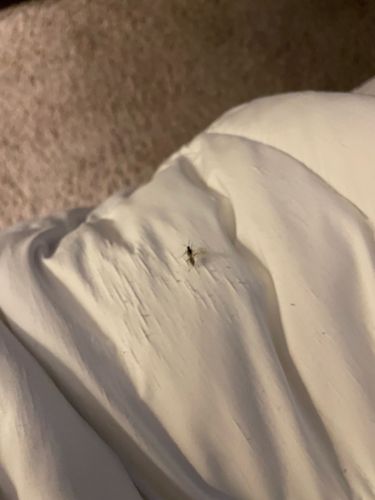
Mosquito
Culicidae (family level)
- Order & Family
- Order: Diptera, Family: Culicidae
- Size
- Typically 3 to 9 millimeters in length
Natural Habitat
Worldwide near stagnant or slow-moving water sources which are necessary for their larval development; often found in residential areas, wetlands, and forests.
Diet & Feeding
Both males and females feed on nectar and plant juices for energy. However, females of most species must consume a blood meal from vertebrates (humans, birds, mammals) to obtain proteins for egg production.
Behavior Patterns
They exhibit a four-stage life cycle: egg, larva, pupa, and adult. Many species are most active during dawn and dusk (crepuscular). They are attracted to CO2, heat, and floral scents.
Risks & Benefits
Risks: Significant health threat as vectors for diseases such as Malaria, West Nile virus, Dengue fever, and Zika. Their bites cause itchy allergic reactions. Benefits: Larvae are a food source for fish and aquatic insects; adults are prey for birds, bats, and dragonflies; some species act as pollinators.