
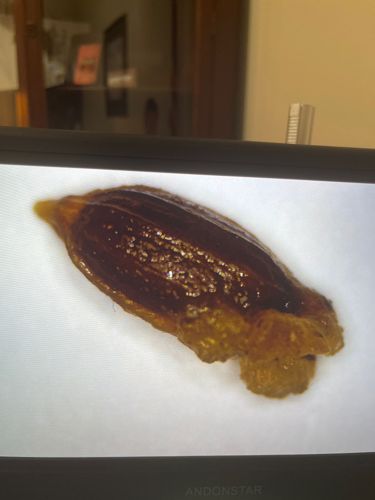
Cockroach egg case (Ootheca)
Blattaria (family varies)
- Order & Family
- Order: Blattodea; Families include Blattidae (e.g., American cockroach) or Ectobiidae (e.g., German cockroach)
- Size
- Typically 5mm to 12mm in length depending on the species.
Natural Habitat
Dark, moist, and secluded areas such as behind appliances, in cupboards, under sinks, or within wall voids in residential and commercial buildings.
Diet & Feeding
Non-feeding stage. The developing embryos consume the yolk within their specific egg chambers; adult cockroaches are omnivorous scavengers.
Behavior Patterns
The female produces the ootheca and either carries it (German cockroach) or glues it to a protected surface (American/Oriental cockroaches). It contains multiple embryos (approx. 16-50) and protects them from predators and environmental desiccation.
Risks & Benefits
Risks: Indicates an active infestation of cockroaches, which can spread pathogens (Salmonella, E. coli), trigger allergies and asthma, and contaminate food. Benefits: None in a domestic setting; in the wild, they serve as a food source for various predators and aid in nutrient recycling.