
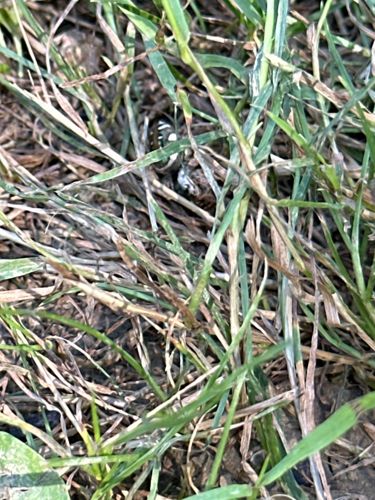
Sweat Bee or Halictid Bee
Various genera within Halictidae, e.g., Lasioglossum, Halictus, Agapostemon
- Order & Family
- Order: Hymenoptera, Family: Halictidae
- Size
- Typically 4-10 mm (0.16-0.4 inches) in length, though some species can be larger.
Natural Habitat
Sweat bees are found in a wide range of habitats, including gardens, parklands, meadows, grasslands, and forests, particularly in areas with bare soil for nesting and flowering plants for foraging.
Diet & Feeding
Adult sweat bees feed on nectar and pollen from a wide variety of flowers. Larvae feed on the pollen and nectar provisions left by the mother.
Behavior Patterns
They are typically solitary bees and nest in the ground, often in sparsely vegetated areas of lawns, gardens, or fields. Females excavate tunnels in the soil to lay their eggs, provisioning each cell with a ball of pollen and nectar for the developing larva. Males often patrol nesting areas looking for females. They are active during warm parts of the day.
Risks & Benefits
Sweat bees are generally beneficial insects. They are excellent pollinators of many agricultural crops and wild plants, contributing significantly to ecosystem health and food production. The 'sweat' in their name comes from their occasional attraction to human sweat, which they lick for salts, a behavior that sometimes results in a mild sting if they are swatted or trapped against the skin. However, stings are rare and typically less painful than a honey bee's sting.