
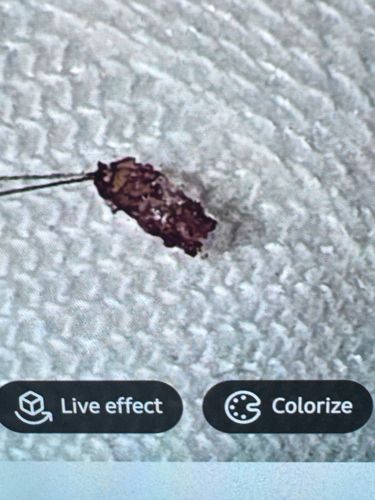
Case-bearing Clothes Moth
Tinea pellionella
- Order & Family
- Lepidoptera (moths and butterflies), Tineidae (fungus moths and clothes moths)
- Size
- Larvae can grow up to 10-14 mm in length. Adult moths have a wingspan of 9-16 mm.
Natural Habitat
Indoors, especially in undisturbed areas where animal-based materials like wool, fur, feathers, and silk are stored. They prefer dark and humid conditions.
Diet & Feeding
The larvae feed on keratin-containing materials such as wool, fur, feathers, silk, felt, and sometimes synthetic fibers if blended with natural ones. They are known pests of clothing, carpets, upholstery, and stored animal products.
Behavior Patterns
The most distinctive behavior is the larvae constructing a portable silken case, which they carry with them and enlarge as they grow. This case is often camouflaged with fibers from the material they are eating. Adults are weak fliers and prefer to crawl or make short flights; they are attracted to light but usually prefer darker, undisturbed areas.
Risks & Benefits
The primary risk associated with case-bearing clothes moths is significant damage to valuable textiles, clothing, carpets, and museum specimens made from animal fibers. They pose no direct health risk to humans. There are no known significant ecological benefits as they are primarily indoor pests.