
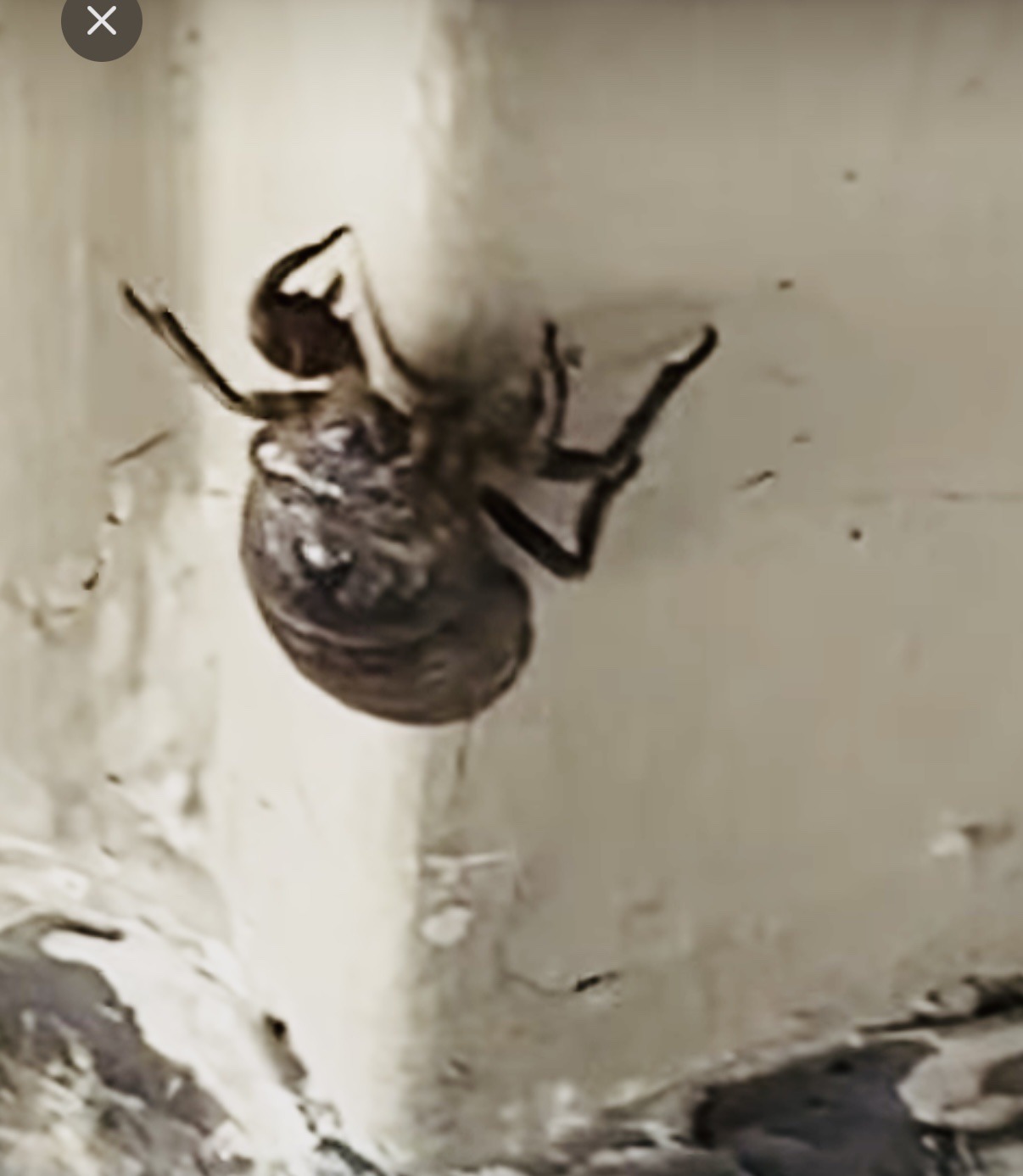
Community identification
Tick (likely an engorged hard tick)
Family Ixodidae; species cannot be determined reliably from this image
- Order & Family
- Parasitiformes, Ixodidae
- Size
- About 2–8 mm unfed; engorged females can reach roughly 8–15 mm.
Natural Habitat
Vegetation, leaf litter, animal resting areas, and structures where hosts pass or shelter. This specimen may have been dislodged from a mammal or pet.
Diet & Feeding
Blood-feeding ectoparasite of mammals, birds, and sometimes reptiles. Adults and nymphs attach to a host and feed for several days.
Behavior Patterns
Ticks climb vegetation or wait in sheltered areas, grasp passing hosts, and remain attached while feeding. After engorgement, females typically drop off to lay eggs.
Risks & Benefits
Some species transmit pathogens such as Lyme disease bacteria, spotted-fever rickettsiae, and ehrlichiae; risks vary geographically. They are also prey for other animals and contribute to ecosystem food webs.