
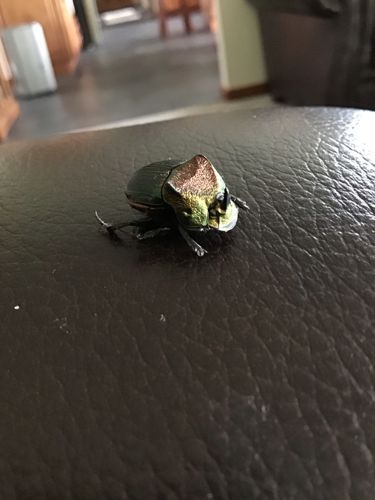
Dung Beetle
Various species within Scarabaeinae (e.g., Phanaeus, Geotrupes, Onthophagus)
- Order & Family
- Order: Coleoptera, Family: Scarabaeidae (specifically within Scarabaeinae or related subfamilies)
- Size
- Most dung beetles range from 5 mm to 30 mm in length, though some larger species can reach up to 60 mm.
Natural Habitat
Dung beetles are found in a wide variety of habitats where mammals and their dung are present, including forests, grasslands, savannas, farms, and even deserts, as long as there is sufficient moisture and food sources.
Diet & Feeding
Dung beetles feed primarily on the feces of herbivores and omnivores. They are detritivores, acting as decomposers by consuming and burying dung, which recycles nutrients back into the soil.
Behavior Patterns
Dung beetles are known for their unique behavior of rolling dung into balls, which they then bury either for consumption or as a place to lay their eggs. This behavior is crucial for nutrient cycling in ecosystems. They are typically active at dawn and dusk or during the night, depending on the species.
Risks & Benefits
Dung beetles provide significant environmental benefits. They improve soil fertility by burying and breaking down dung, which enhances nutrient cycling and aeration. They also help control pest flies by removing the dung in which they lay their eggs. There are generally no risks to humans from dung beetles, as they are not aggressive and do not transmit diseases.