
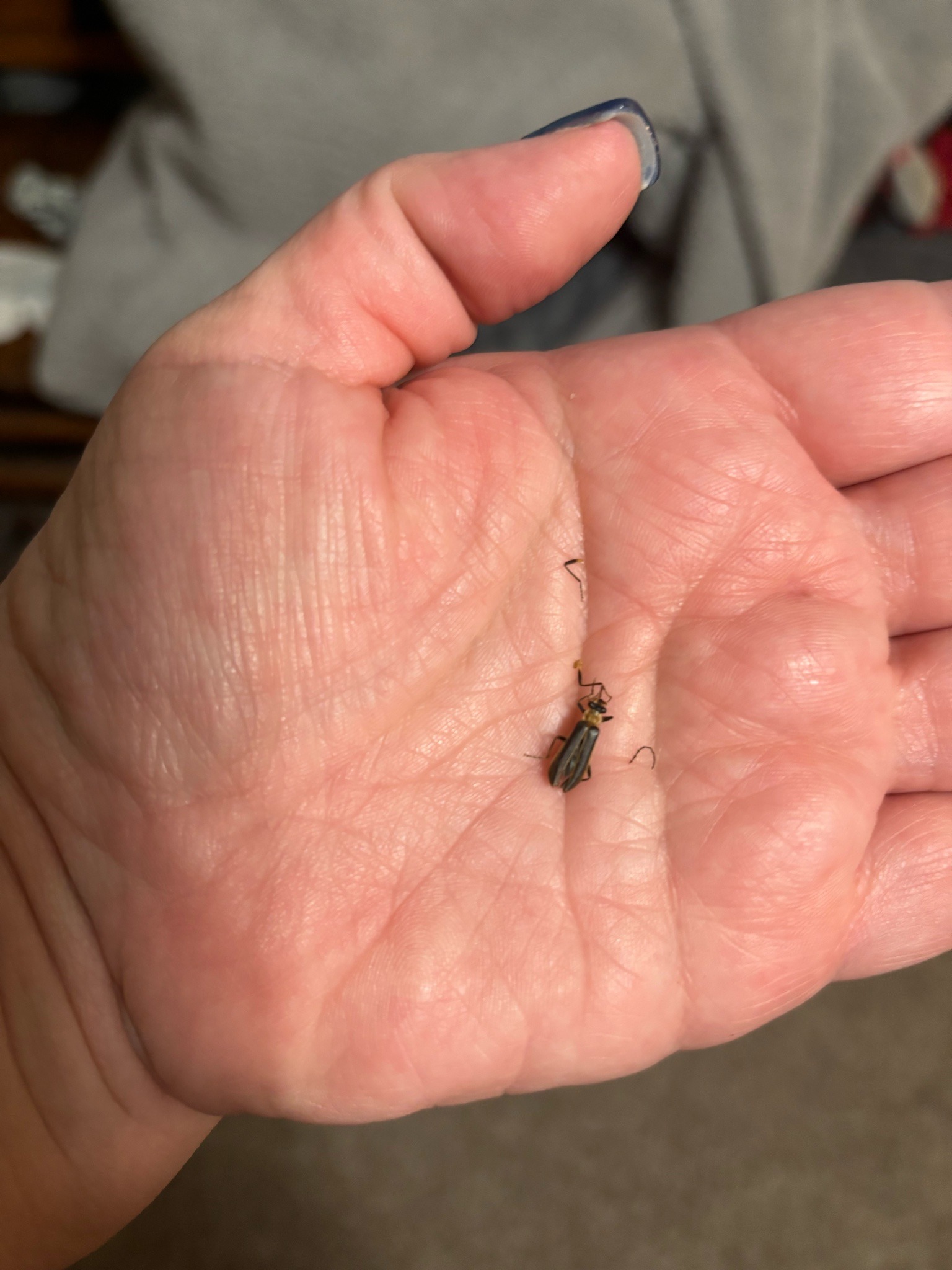
Firefly
Lampyridae (family)
- Order & Family
- Order: Coleoptera; Family: Lampyridae
- Size
- Typically 5 to 25 millimeters (0.2 to 1.0 inch) in length.
Natural Habitat
Widely found in temperate and tropical regions, fireflies prefer humid environments like forests, marshes, and meadows, especially during their breeding season.
Diet & Feeding
Adults may feed on plant nectar, pollen, or other insects, though some species may not feed at all during their short adult life. Larvae are typically predatory, eating snails, slugs, and worms.
Behavior Patterns
Fireflies are famous for their bioluminescence, used primarily for attracting mates and signaling to others of their species. Most are nocturnal, but some species are active during the day.
Risks & Benefits
Fireflies are beneficial to the ecosystem as indicators of environmental health and as natural pest controllers (in their larval stage). They are harmless to humans, although their bioluminescent organs contain lucibufagins, which can be toxic if consumed by predators.