
Leafcutter Bee
Megachile spp.
- Order & Family
- Order: Hymenoptera, Family: Megachilidae
- Size
- Typically 6 to 18 mm (0.24 to 0.71 inches) in length.
Natural Habitat
Leafcutter bees are found in a variety of habitats where flowering plants and suitable nesting materials (such as soft, pithy stems, rotting wood, or pre-existing cavities) are available. They are often found in gardens, orchards, and natural areas.
Diet & Feeding
Adult leafcutter bees feed on nectar. Their larvae feed on pollen and nectar provided by the female bee.
Behavior Patterns
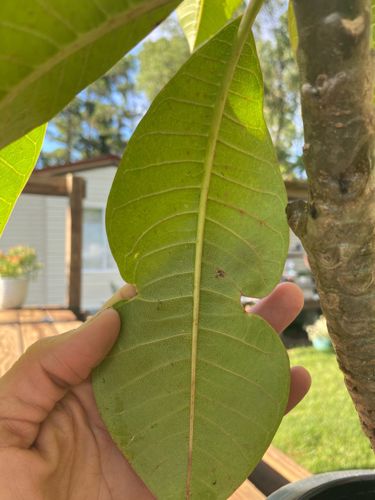
Leafcutter bees are solitary bees, meaning they do not live in colonies like honey bees. The female bee cuts semicircular pieces of leaves and uses them to construct individual cells within a nest. Each cell is provisioned with pollen and nectar, and an egg is laid inside. The larvae develop within these cells, pupate, and emerge as adults. They are important pollinators.
Risks & Benefits
Leafcutter bees are generally considered beneficial insects. They are excellent pollinators of many plants, including agricultural crops and wildflowers. They are non-aggressive and rarely sting unless severely provoked. Their "damage" to leaves is purely cosmetic and does not harm the plant's health significantly.