
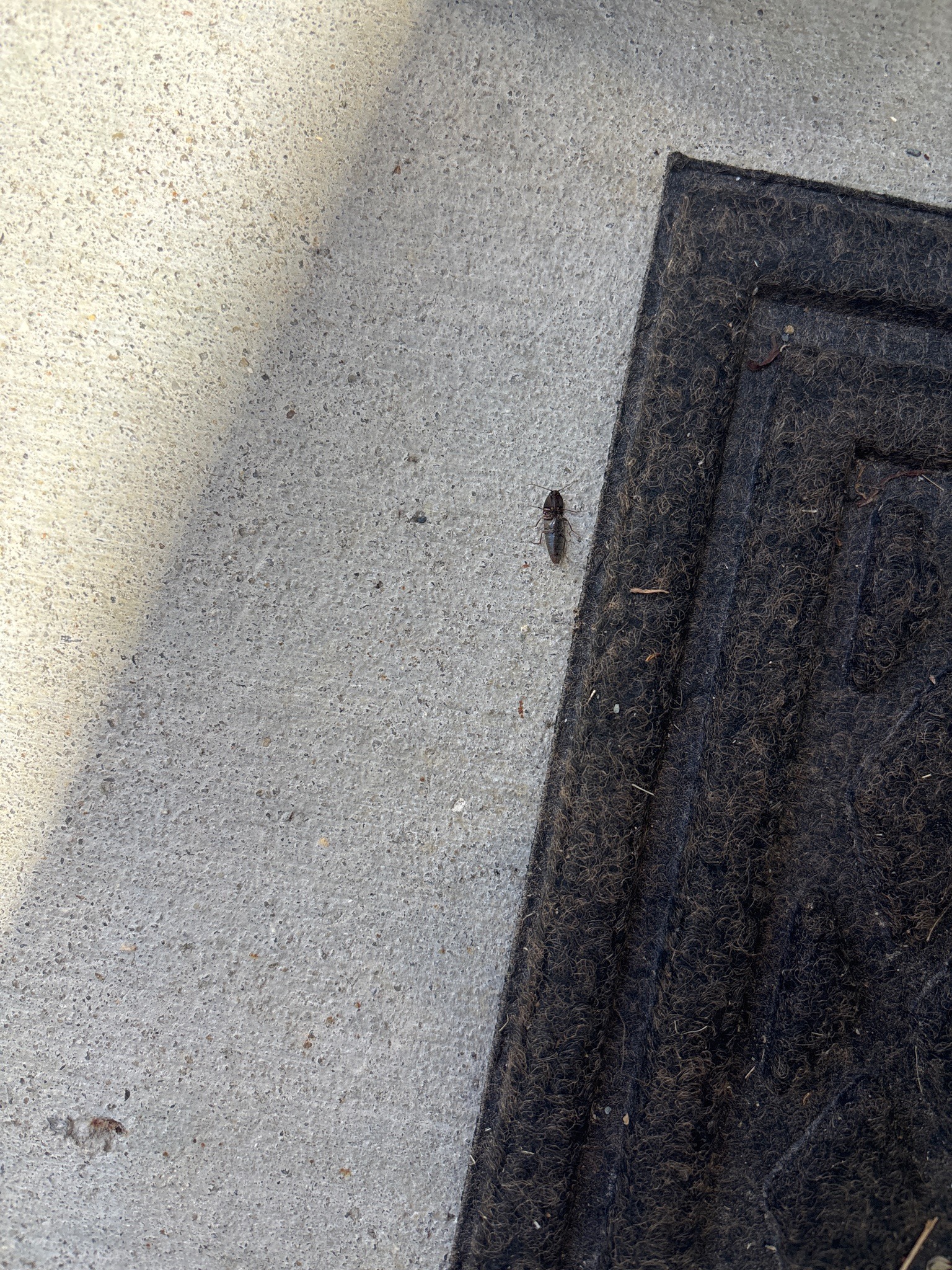
Community identification
Click Beetle
Alaus oculatus (representative species of the family)
- Order & Family
- Order: Coleoptera; Family: Elateridae
- Size
- 1.5 mm to 45 mm depending on the species
Natural Habitat
Found globally in diverse environments including woodlands, grasslands, and residential gardens; often found under bark or near lights at night.
Diet & Feeding
Adults typically feed on nectar, pollen, or soft plant tissues; larvae (known as wireworms) feed on decaying vegetation, roots, or other small insects.
Behavior Patterns
Known for their unique clicking mechanism where they can snap their thoracic segments to launch themselves into the air to escape predators or flip over if they are on their backs.
Risks & Benefits
Generally harmless to humans; however, some species' larvae (wireworms) can be agricultural pests by damaging crop roots, while others help the ecosystem through decomposition.