
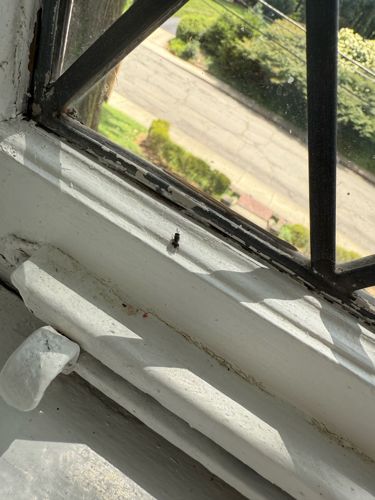
Fruit Fly
Drosophila melanogaster (or other Drosophila species)
- Order & Family
- Order: Diptera, Family: Drosophilidae
- Size
- Typically 2-4 mm (0.08-0.16 inches) in length.
Natural Habitat
Typically found indoors in kitchens, pantries, and other areas where ripe produce or fermenting liquids (like vinegar, wine, beer) are present. Outdoors, they can be found near decaying plant matter and compost piles.
Diet & Feeding
Fermenting fruits, vegetables, and other organic matter. They are attracted to the alcohol produced during fermentation.
Behavior Patterns
Fruit flies are often seen hovering around ripe or fermenting fruits and vegetables, as well as garbage cans. They are attracted to yeast and sugar. They lay their eggs on the surface of fermenting food. Their full life cycle from egg to adult can be completed in about 8-10 days under ideal conditions.
Risks & Benefits
Risks: Primarily a nuisance pest in homes and food establishments. While they don't bite or transmit diseases to humans, they can contaminate food with bacteria and other pathogens carried on their bodies. Benefits: In scientific research, especially genetics and developmental biology, members of their family (Drosophila melanogaster specifically) are widely used as model organisms.