
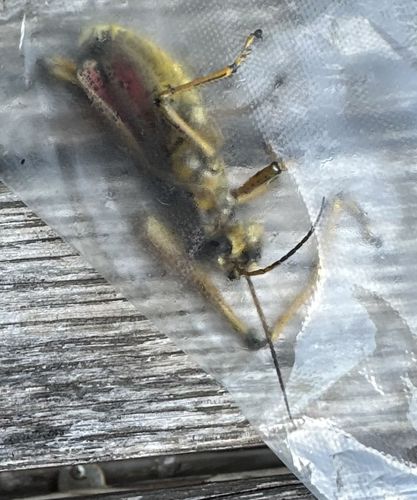
Robber Fly
Asilidae (family)
- Order & Family
- Order: Diptera, Family: Asilidae
- Size
- Varies significantly by species, generally ranging from 5 mm to 50 mm (0.2 to 2 inches) in length. The one in the image appears to be on the larger side.
Natural Habitat
Robber flies are found in diverse habitats, including grasslands, forests, deserts, agricultural fields, and suburban gardens. They often prefer open, sunny areas where they can easily spot and hunt prey. Larvae live in soil, leaf litter, or decaying wood.
Diet & Feeding
Adult robber flies are predatory, feeding on a wide range of other insects, including flies, bees, wasps, beetles, butterflies, and even other robber flies. They use their strong legs to grasp prey in flight, then pierce the prey with their proboscis and inject neurotoxic and proteolytic saliva to paralyze and digest the internal contents, which they then suck out.
Behavior Patterns
Adult female robber flies lay eggs in the soil or on plants. Larvae are predatory, living in the soil or decaying wood and feeding on other insect larvae. Adults are active hunters during the day, often perching in sunny spots to ambush prey. Many species mimic bees or wasps as a form of Batesian mimicry to deter predators.
Risks & Benefits
Risks: Robber flies are not aggressive towards humans, but they can deliver a painful bite if mishandled or threatened. The bite itself is not venomous or medically significant, but it can be uncomfortable. Benefits: They are beneficial insects as significant predators of many pest insects, helping to control their populations in agricultural and natural ecosystems.