
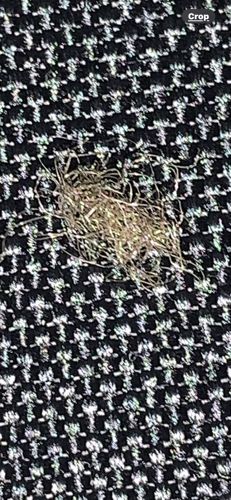
Bagworm Moth Larva (Bagworm)
Thyridopteryx ephemeraeformis (likely species for common bagworm)
- Order & Family
- Lepidoptera (moths and butterflies), Psychidae (bagworm moths)
- Size
- Larvae within bags can range from 1/4 inch to 2.5 inches (6 mm to 60 mm) in length, depending on the species and developmental stage. The bag itself is typically proportional to the larva's size.
Natural Habitat
Found on trees and shrubs in various environments, including forests, suburban gardens, and urban landscapes. The larval construct (bag) provides camouflage and protection.
Diet & Feeding
Herbivorous. Bagworm larvae feed on the foliage of a wide variety of coniferous and deciduous trees and shrubs. Common host plants include juniper, arborvitae, cedar, pine, spruces, sycamore, maple, and willow.
Behavior Patterns
The larva constructs a protective case (bag) out of silk and bits of plant material from its host plant. It carries this bag with it as it feeds and grows, enlarging it as needed. They remain in their bags for their entire larval and pupal stages. Adult males emerge as winged moths, while females are often wingless and remain inside their bags.
Risks & Benefits
Risks: Bagworms are considered pests due to their defoliating activity, which can cause significant damage to ornamental trees and shrubs, leading to stunted growth or even plant death, especially during heavy infestations or on young trees. Benefits: They are a food source for some parasitic wasps and birds, contributing a minor role in the food chain.