
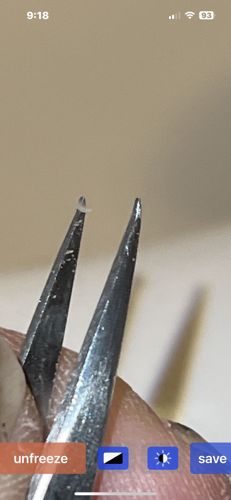
Clothing moth larva or carpet beetle larva
Tineola bisselliella (clothing moth) or Anthrenus spp. (carpet beetle)
- Order & Family
- Lepidoptera (Tineidae) for clothing moths; Coleoptera (Dermestidae) for carpet beetles
- Size
- 2-10 mm long (larval stage)
Natural Habitat
Indoors, especially in dark, undisturbed areas where animal-derived fibers (wool, silk, fur, feathers) are stored. This includes closets, attics, rugs, and upholstered furniture.
Diet & Feeding
Keratin-containing materials of animal origin, such as wool, silk, fur, feathers, and dried animal products. They do not feed on synthetic fibers or clean cotton/linen.
Behavior Patterns
Larvae are typically slow-moving and avoid light. They feed on natural fibers, often creating silk tunnels or cases as they consume materials. Adults are weak fliers and are attracted to light, but the larvae cause the damage. The entire life cycle can take several months to a few years, depending on environmental conditions and food availability.
Risks & Benefits
Potential risks include significant damage to clothing, carpets, upholstered furniture, and other household items made of natural fibers. They do not bite or sting humans and are not known to transmit diseases. There are no direct benefits to humans, but in natural settings, dermestid beetles (including some carpet beetle relatives) play a role in decomposition.