
Community identification
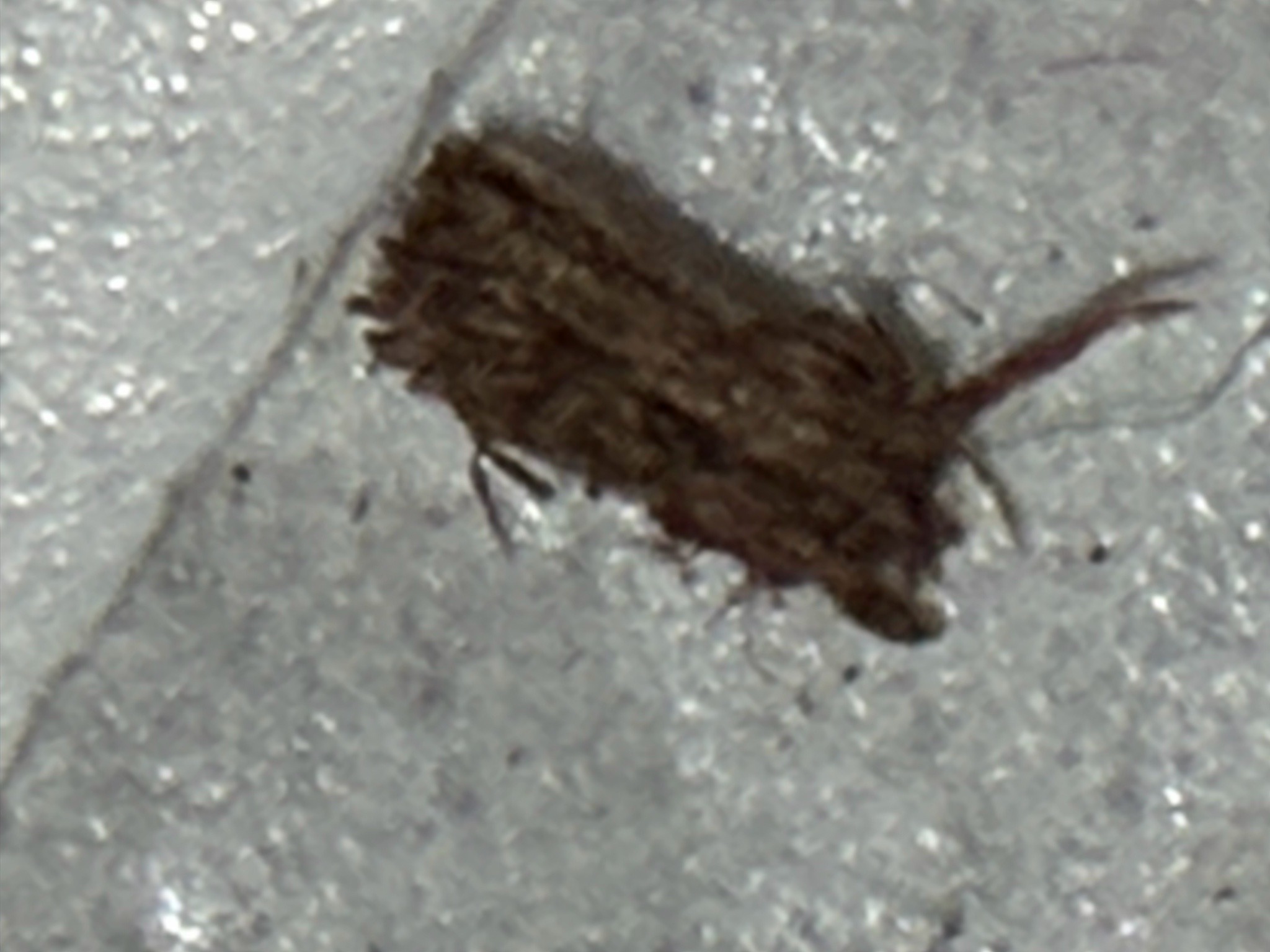
Bagworm Moth Larva
Thyridopteryx ephemeraeformis
- Order & Family
- Lepidoptera: Psychidae
- Size
- 1 to 2 inches (2.5 to 5 cm) in length
Natural Habitat
Widely distributed in trees and shrubs, including evergreens like juniper and arborvitae, as well as deciduous trees.
Diet & Feeding
Larvae are generalist feeders that consume foliage from over 128 different plant species, often causing significant defoliation.
Behavior Patterns
Larvae construct a protective silk case covered with bits of leaves and twigs from their host plant. They carry this case with them as they feed and eventually pupate inside it.
Risks & Benefits
They are considered a significant landscape pest as they can defoliate and kill host trees if populations are high. They benefit the ecosystem by serving as a food source for birds and parasitic wasps.